The large temperature printed beside a sleeping bag's name may not be its comfort rating. Product pages can emphasize different figures, which makes two bags appear more comparable than they are. Open the specification table and identify the exact rating being discussed before comparing weight or price.
Standardized testing offers a reference for comparison, not a personal forecast. It uses defined conditions and assumptions about the sleeper and equipment. Your clothing, sleeping pad, shelter, tiredness and exposure to moisture can change the result in the field.
Comfort is different from a lower limit
Manufacturers may report comfort and lower-limit figures separately. They represent different test assumptions and should not be treated as interchangeable. An extreme or survival figure, where listed, is not a sensible target for a comfortable trip. Read the manufacturer's explanation of the ratings rather than relying on the shortest label on a retailer's page.
If you commonly feel cold at night, that experience matters. It is reasonable to choose more margin and to discuss a suitable sleep system with a knowledgeable retailer or manufacturer. A rating does not require you to tolerate a temperature that has been uncomfortable for you before.
Do not automatically add claimed temperature improvements from several accessories together. A liner, clothing layer and second blanket are not necessarily tested as one system, and their effects cannot be assumed to produce a precise new rating. Treat untested combinations cautiously.
Fit changes the decision
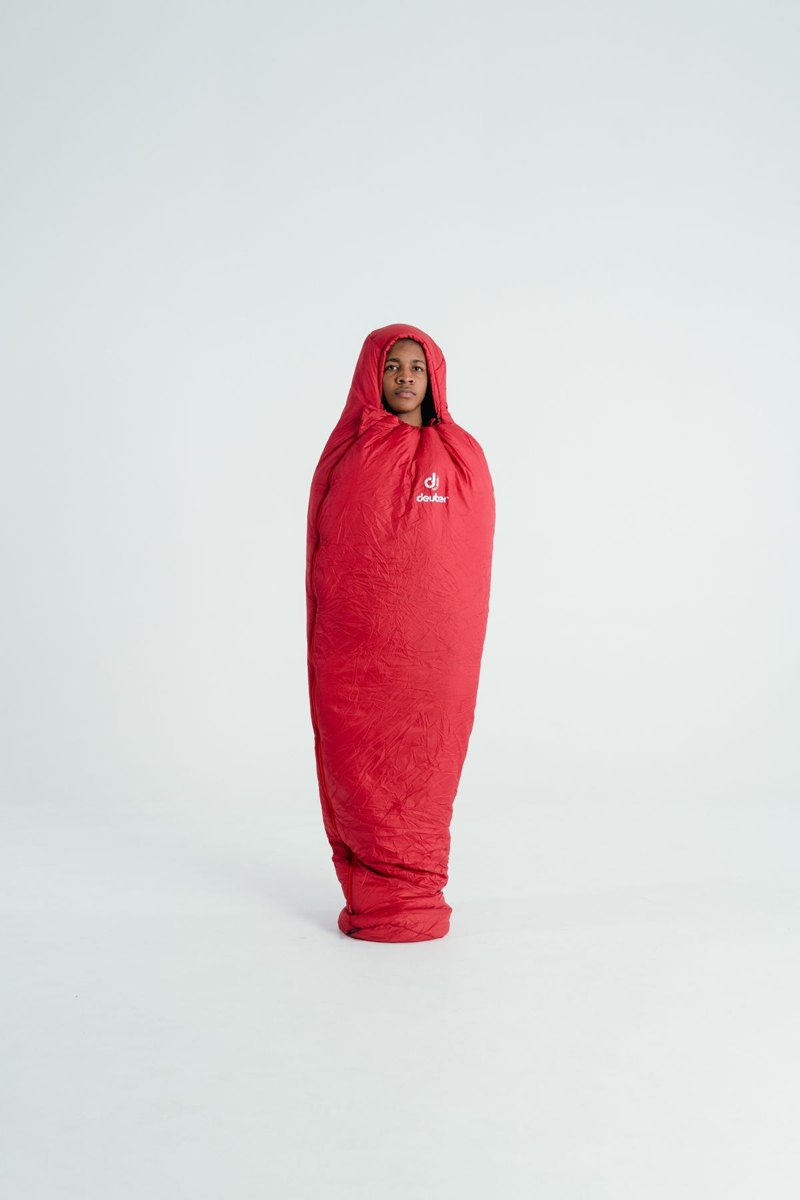
Check the length and the room around shoulders, hips and feet. A bag that compresses insulation around a tight area may not behave as intended; an unnecessarily oversized bag may also be awkward to use. Try its zipper, hood and draft-control features while lying down, with the clothing you expect to wear.
Choose the insulation and outer fabric with likely moisture and maintenance in mind. Follow the care instructions for washing, drying and storage rather than treating all fills alike. Keep the bag protected from wet equipment during the journey and allow it to dry after use.
The pad beneath the bag deserves its own check. Insulation compressed under your body does not replace an appropriately insulated sleeping surface. Read the pad's specifications instead of assuming a soft air mattress has the same thermal performance as an insulated camping pad.
Use the first night to learn, not to prove a limit
For unfamiliar equipment, begin with a conservative trip where leaving or changing the arrangement is straightforward. Check the forecast for the campsite rather than the nearest city alone. Record the conditions and whether the whole setup worked for you.
If a forecast is colder or wetter than the system and experience you have, change the plan. The purchase of a sleeping bag with an impressive number does not remove the need for that decision. A successful first night provides information you can use again; it does not need to test the lowest printed temperature.