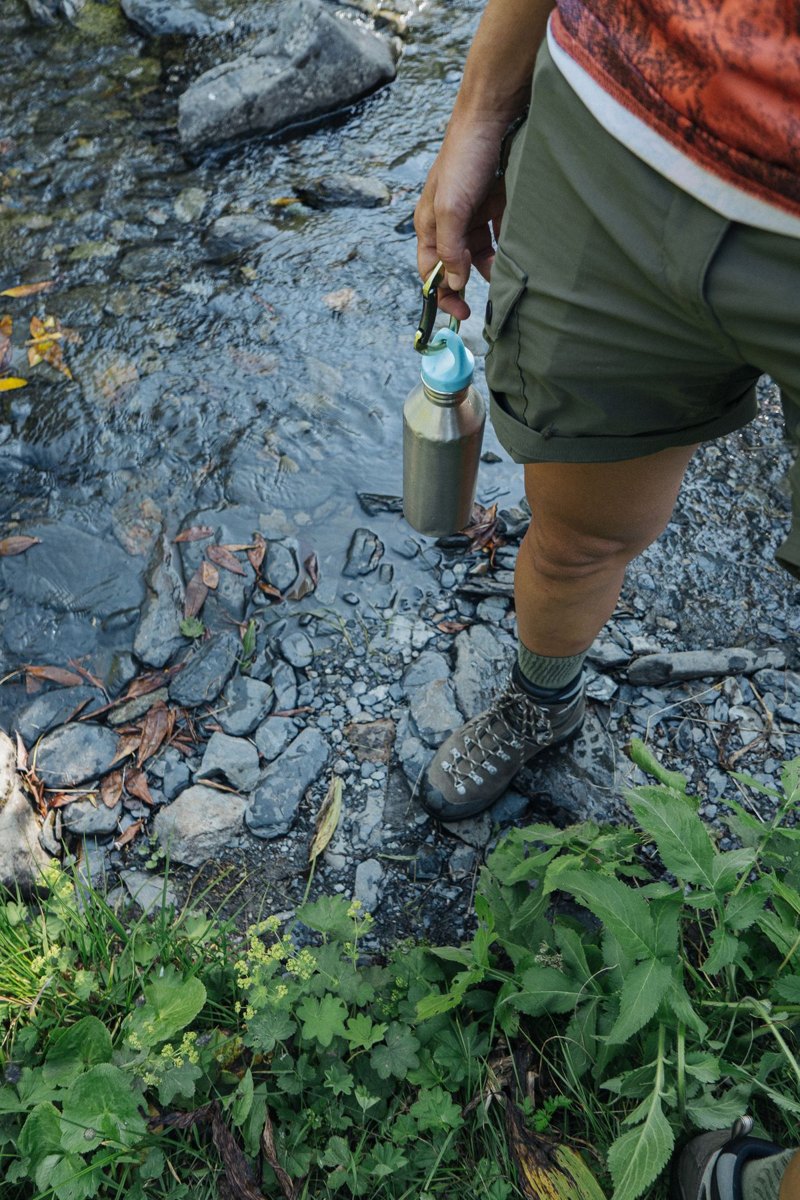
Water planning is easier when every refill is treated as a question to confirm. Is the source operating? Can you reach it safely? Is the water suitable for the treatment method you carry? A marked spring, stream or campground tap can fail one of those checks even when it appears clearly on the map.
Ask the managing agency about current conditions. Seasonal sources may dry up, facilities may close and a water advisory may change what visitors can use. A recent report is helpful context, but it should not be your only plan for an essential refill.
Separate availability from safety
Clear-looking water is not necessarily safe to drink. The CDC explains that treatment methods address different types of contamination; a filter is not automatically effective against every germ, and ordinary backcountry treatment does not make chemically contaminated water safe. Choose equipment and procedures for the actual situation, and follow the product instructions in full.
Plan the handling steps too. Keep untreated water and the equipment touching it separate from the clean container and drinking opening. Label containers if they look alike. A carefully selected treatment system is undermined if the treated water is poured into a container that has just held untreated water without appropriate cleaning.
Allow time and capacity
Look at the longest stretch between reliable sources, not just the total route length. Weather, exertion, group needs and cooking plans all influence the amount required. Include the water needed to prepare food rather than counting only what goes into bottles for drinking.
Consider how long a refill will take. A slow collection point or a treatment process with a required contact time is not an instant stop. Know the instructions before departure and allow enough time to follow them without rushing.
Carry enough container capacity for the planned stretch and an appropriate reserve. Avoid solving a capacity problem by assuming that the next unverified stream will be flowing. If the route requires a source you cannot confirm and you cannot carry the necessary water, choose a different route or postpone the trip.
At the trailhead, review the water plan with the group. Everyone should know where the next confirmed opportunity is and what happens if it is unavailable. That conversation makes it easier to change course early, while a return or shorter route is still a reasonable option.