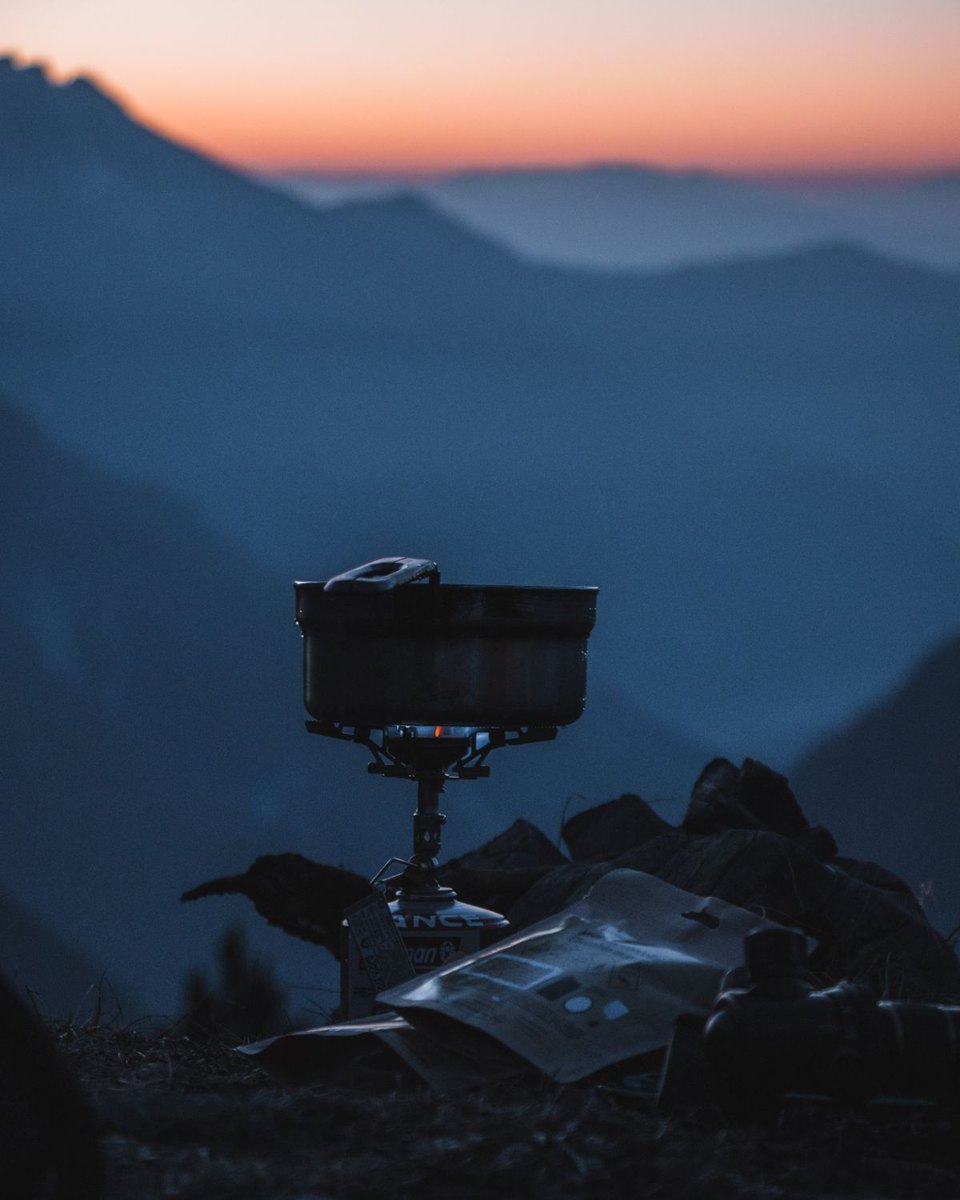
It is tempting to move a stove close to a tent when rain starts. That solves the inconvenience of getting wet by creating more serious hazards. Camping stoves belong outdoors in the conditions and clearances specified by their manufacturer, not inside a tent or enclosed vestibule.
Choose the cooking location while setting up camp. Follow the campground's designated arrangements and current fire restrictions. A place that worked on a previous visit may be unavailable during dry conditions or after a change in site rules.
Make the surface and surroundings part of the setup
Use a stable, permitted surface suitable for the stove. Check that the pot sits securely and that people can move around without stepping over a fuel connection or reaching across a flame. Keep loose clothing, packaging and other combustible items away according to the instructions.
Use only fuel and accessories approved for the equipment. Do not surround a fuel canister with an improvised windscreen unless the manufacturer explicitly permits that arrangement. Wind management that traps excessive heat can create a hazard rather than simply improving cooking performance.
Keep children and pets out of the cooking area, and make sure the person handling the stove can concentrate on it. A busy picnic table covered in snacks, bags and games may need to be cleared before it becomes a cooking surface.
End the meal before starting another task
Shut down the stove using its instructions and let it cool before packing or handling parts that may remain hot. Deal with food scraps and waste promptly, and return food and scented items to the required storage location. The tent should remain a sleeping space rather than a place to store the evening's cooking equipment and leftovers.
Plan a meal option that does not require lighting the stove. If equipment is damaged, conditions are unsuitable or a restriction prevents use, a no-cook meal makes it easier to choose the sensible alternative. This is especially helpful on a short first trip, when learning the shelter and campsite may already take longer than expected.
Practice with the stove in a suitable outdoor location before traveling. The aim is to understand its controls, setup and shutdown without the pressure of darkness or hungry companions. Keep the instructions available and stop if anything seems damaged, unstable or inconsistent with the intended setup.