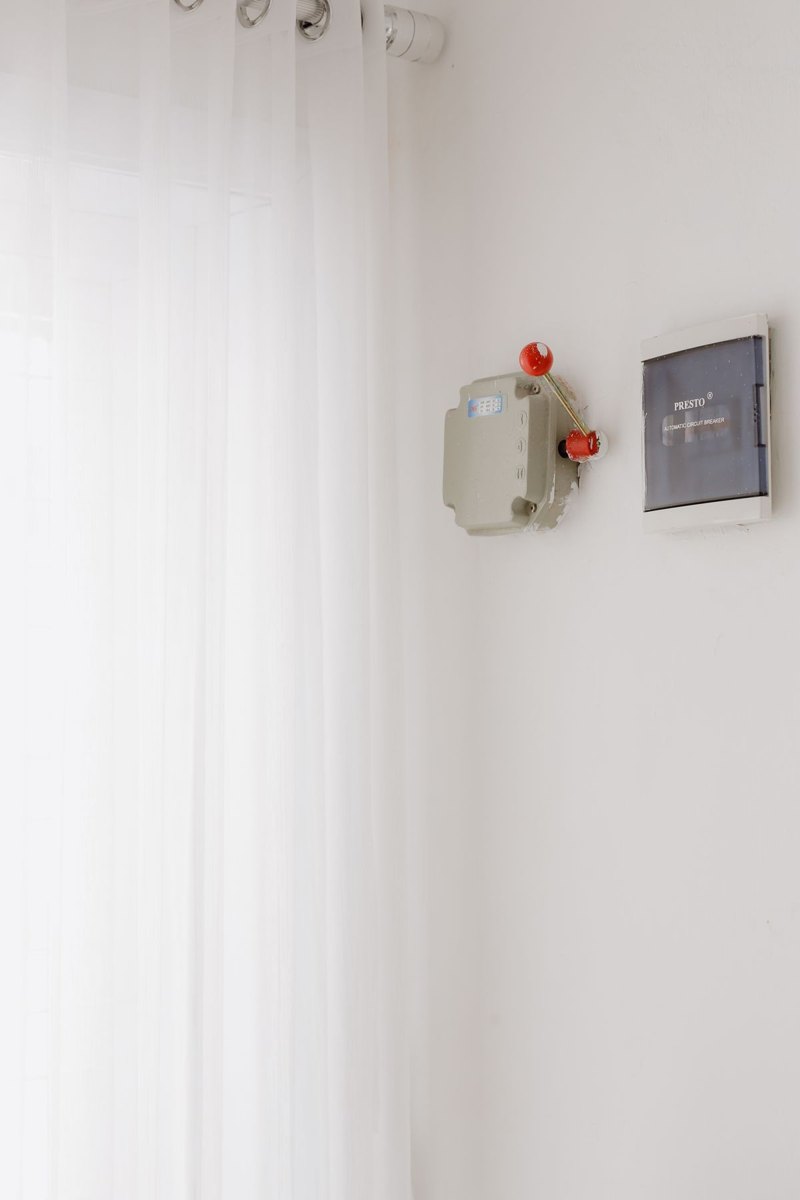
Plugging a generator into an ordinary wall outlet is dangerous. It can energize wiring and utility lines in ways the household cannot see. The connection method must prevent generator power from feeding back into the electrical supply and must suit the equipment, installation, and applicable requirements.
CPSC recommends a qualified electrician install a transfer switch when connecting a generator to house wiring. Its warning about male-to-male extension cords is equally direct: these cords are associated with electrocution and fire hazards. Do not buy, make, or use one as an outage shortcut.
Decide what needs a household circuit
Before contacting an electrician, list the loads you hope to support. Distinguish plug-in equipment from fixed wiring such as a furnace or well pump. Include the exact model information where available. This gives the professional something concrete to size and assess rather than a request to “power the house.”
Discuss which loads can run together, starting requirements, and how the generator's output connects to the installed arrangement. The electrician should determine the appropriate equipment and any permits or inspections. An online diagram for another electrical panel is not an installation plan for yours.
Also ask how the household will operate the system. Who can safely carry out the approved switching procedure? Where will instructions be kept? What does the user do when utility power returns? Request a clear demonstration after installation rather than learning from labels during the first outage.
Keep separate safety problems separate
Correct transfer equipment does not solve carbon monoxide, fuel, or wet-weather risks. The generator still needs a suitable outdoor location and manufacturer-compliant operation. Likewise, a correctly positioned generator does not make an improvised electrical connection safe.
If direct appliance cords are part of an approved plan, confirm their ratings and routing with the manufacturer or installer. Do not extend the plan later by adding more appliances, adapters, or improvised connections without checking the limits.
Keep the installation documentation and service contact together. If the generator or major loads change, have the arrangement reviewed. A replacement machine can have different output characteristics and connection requirements even if its advertised wattage is similar.
The useful preparation here is a defined set of loads, professionally selected equipment, and a procedure the household understands. It is not a collection of cables that appears to make power flow.