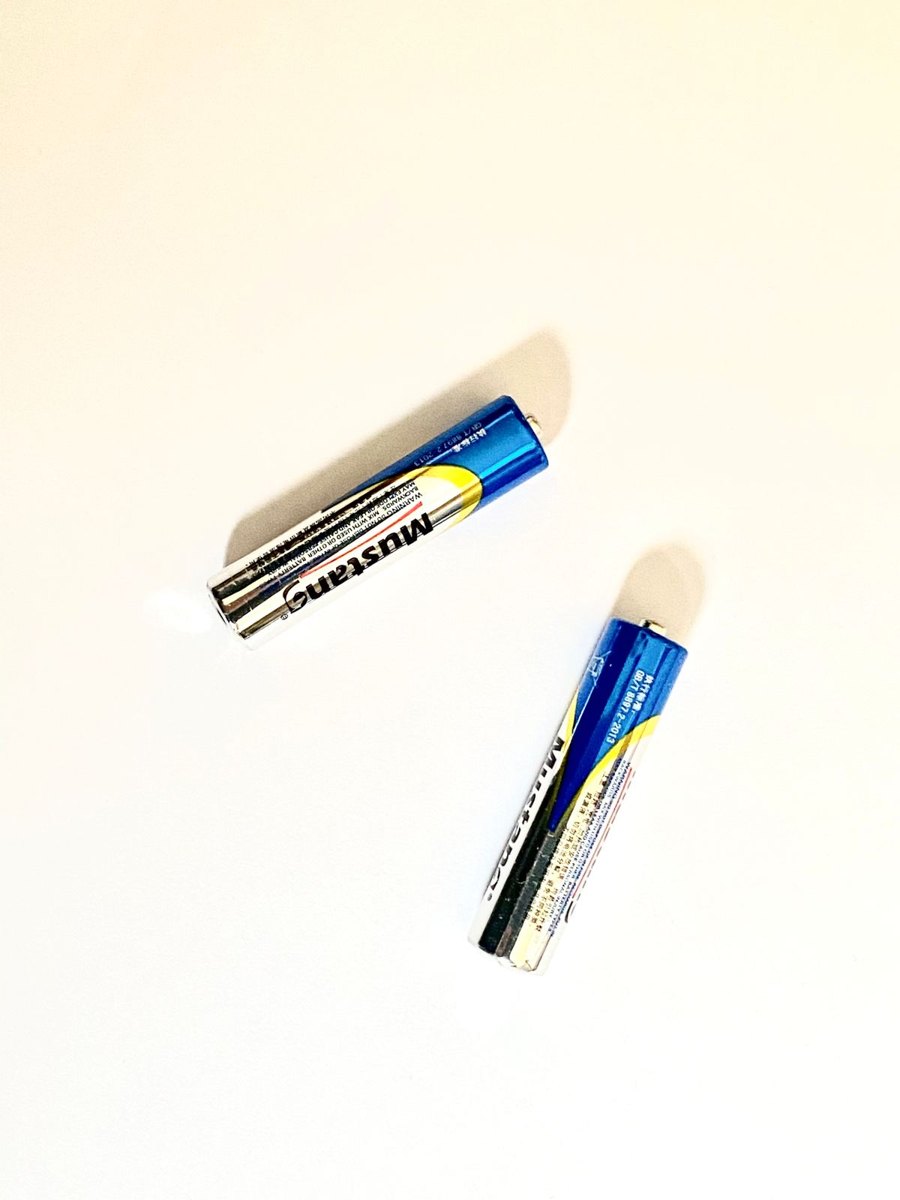
A drawer containing spare batteries, keys, paper clips, and coins is convenient until metal bridges battery terminals. Energizer warns that loose batteries carried with metal objects can short-circuit and generate heat. The simplest storage improvement is to stop treating batteries as miscellaneous hardware.
Keep new batteries in their packaging until needed, or use a case designed to keep individual cells apart. Choose a case that holds the sizes you actually use without forcing them in. A lid that closes securely matters if the case will go in a bag or be moved by someone else.
Sort for use, not appearance
Separate battery types and distinguish charged rechargeable sets from cells awaiting charging. Label compartments in plain language. A neat row of identical-looking cylinders is not useful if nobody knows their chemistry or condition.
Keep the product information from unusual batteries. Lights, radios, and other equipment may require a particular type even when another cell appears to fit. Write the required type on a card beside the device rather than relying on memory. Do not peel labels off batteries to make them look tidier.
For households with children, storage must also prevent access, particularly to small batteries. An organizer with an easy-open lid is not child-resistant. Keep the entire supply in a secure location appropriate to the household, including spent cells waiting for disposal.
Give rejects a separate route
Do not return leaking, distorted, or damaged batteries to the reserve. Follow the manufacturer and local waste program's handling instructions. Different chemistries may need different disposal routes. Avoid putting unidentified cells into a charger to see whether they work.
Choose a dry storage location within the product's temperature guidance. The case belongs away from water, a heater, and direct sunlight, not in the hottest part of a garage simply because that is where tools are kept.
When you replace a set in a device, update the storage at the same time. Put a complete ready set where it belongs and remove the exhausted set from circulation. That small habit prevents a common failure: reaching for a neatly stored “spare” that is actually the one someone removed last month.