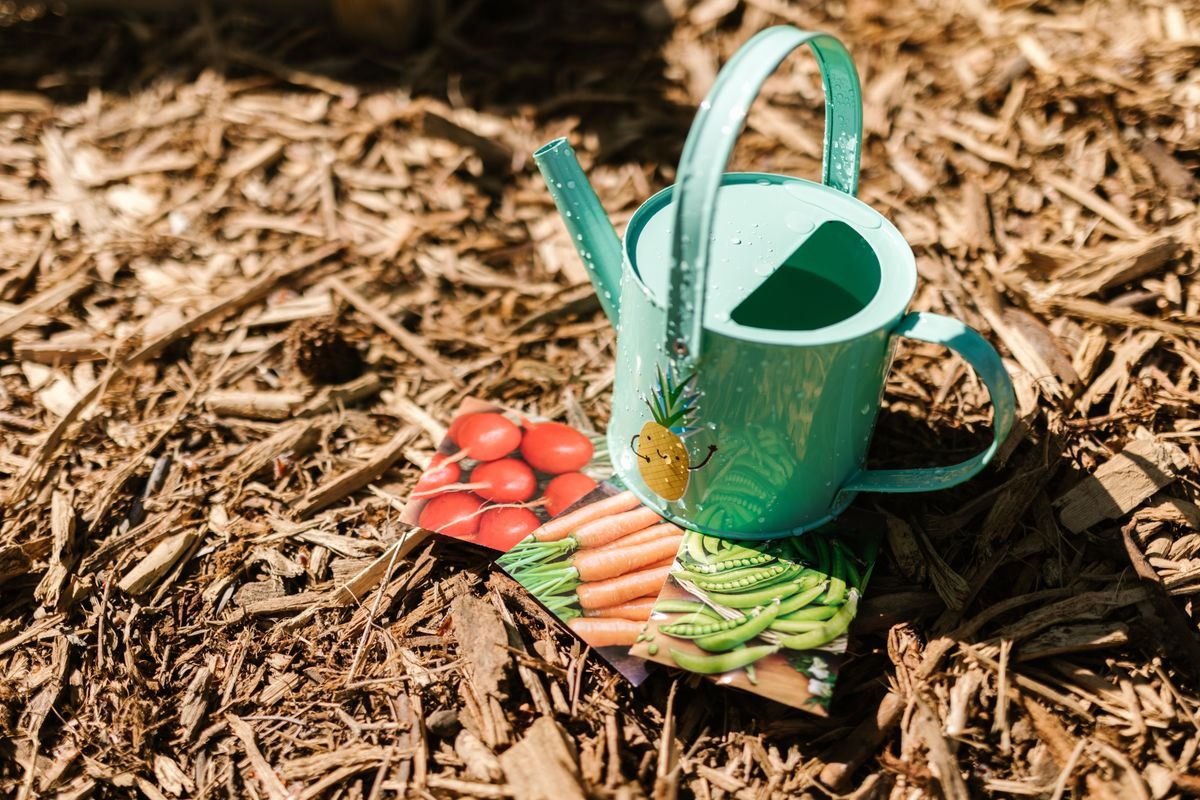
An envelope of unidentified seeds is a poor starting point for next season’s garden. Labeling is easiest when the original packet is still present. Keep the crop, variety, supplier and relevant date together rather than assuming the seed’s appearance will remind you later.
For purchased seed, retain the original packet whenever possible. It often includes sowing depth, spacing and other instructions that matter as much as the name. If a packet splits, transfer it to a suitable labeled container without losing those details.
Choose a cool, dry location
Iowa State University Extension recommends cool, dry conditions for leftover seed storage. Follow any specific supplier instructions and avoid leaving packets in a hot vehicle, damp shed or sunny windowsill. A tidy container cannot compensate for unsuitable storage conditions.
Keep varieties separated. Put a readable label inside or securely with each packet as well as on the outside if needed. Store seeds away from food and out of children’s and pets’ reach, particularly where seeds have a treatment specified on the label.
Record what you know about saved seed
Seed collected from a garden needs an accurate plant identity and the harvest year. Follow crop-specific guidance for preparation and drying before storage. Different plants have different requirements; do not apply one method to every seed simply because the containers are the same.
Note whether the parent variety was hybrid or open-pollinated. Saved seed may not produce plants identical to the parent, particularly where hybrid breeding or cross-pollination is involved. If identity or suitability is uncertain, seek local extension advice instead of promising a predictable harvest.
Review before buying more
At planning time, sort the packets and read their condition and age. Check appropriate germination guidance for older seed before committing an entire growing space to it. Keep any test result with the packet, including when and how the small sample was tested.
Use the record to avoid unnecessary duplicate purchases, but do not treat every old packet as equally dependable. A modest, identifiable collection matched to plants you can grow is more useful than a large anonymous reserve whose history has been lost.