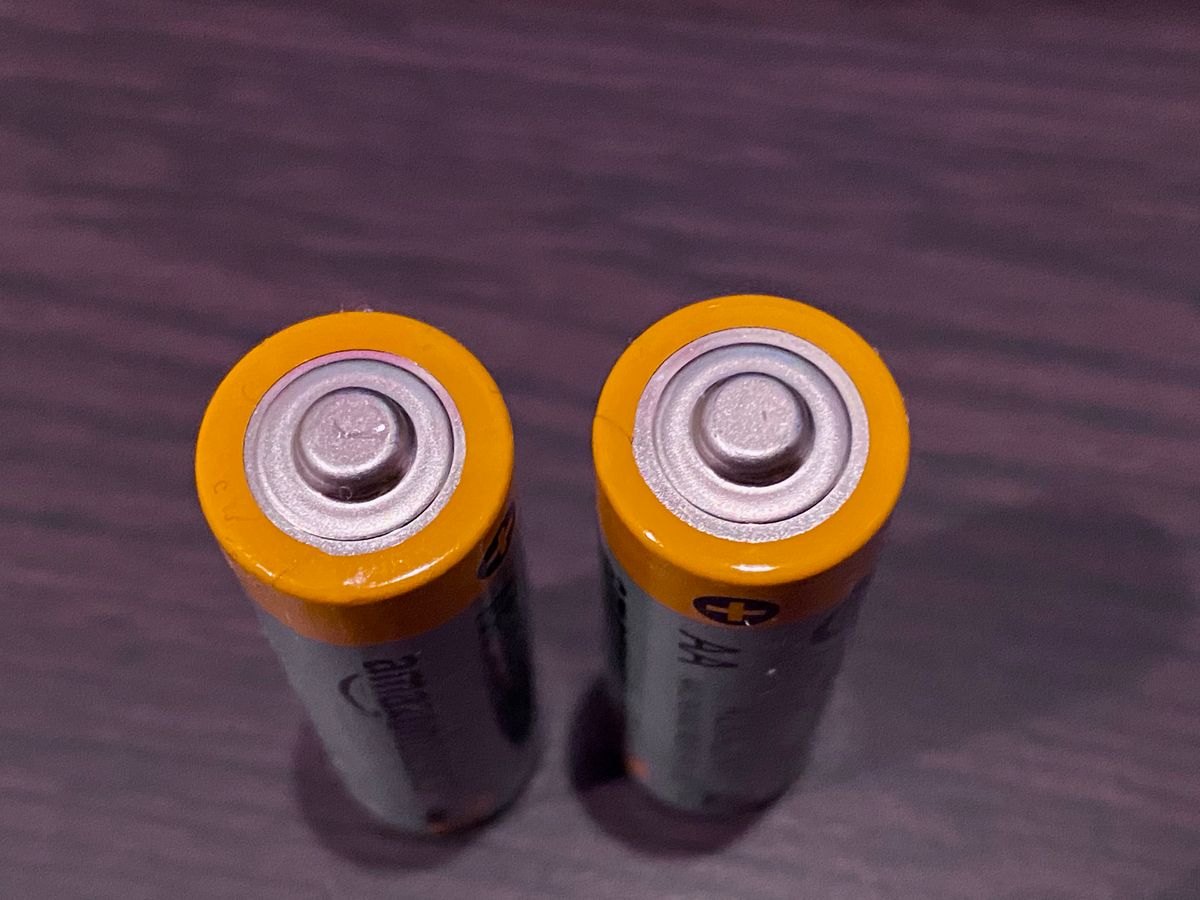
A calendar reminder to “check batteries” can be too vague to finish. Name the devices instead: bedside light, portable radio, power bank and other equipment you actually rely on. Record the battery type and where the correct replacement or charger is kept.
Group ordinary checks when convenient, but preserve any device-specific schedule. Smoke and CO alarms, medical equipment and other essential devices may have their own testing requirements. A general household reminder must not replace those instructions.
Check function as well as charge
Operate each ordinary device using its approved test method. Confirm that its controls and accessories work, not just that an indicator lights up. A radio with fresh batteries but an unfamiliar tuning procedure still needs attention.
Inspect for leakage, corrosion, swelling or damage without opening sealed packs. Stop using damaged batteries or equipment and follow manufacturer and local disposal guidance. Do not charge a swollen pack to see whether it recovers.
Follow the chemistry and device instructions
Different rechargeable products have different storage and top-up recommendations. Use the manufacturer’s interval and approved charger rather than applying a single percentage or calendar rule to everything. Do not attempt to recharge disposable batteries.
For replaceable cells, use the specified size and type and avoid mixing old and new batteries. Keep spares protected from metal objects and out of children’s reach. If a product will be stored unused, follow its instructions about removing batteries; do not remove required backup batteries from active safety equipment as a general storage habit.
Leave a clear result
Mark the date and outcome briefly: working, charged, replaced or needs attention. A failed item should not return silently to the ready-supplies box. Label or separate it until the issue is resolved.
After an outage or trip, check the items used and replenish them before the next calendar reminder. The useful rhythm combines scheduled maintenance with follow-up after real use. Once the list is reliable, the task should be short: locate, inspect, test appropriately, record and return each item to its normal place.