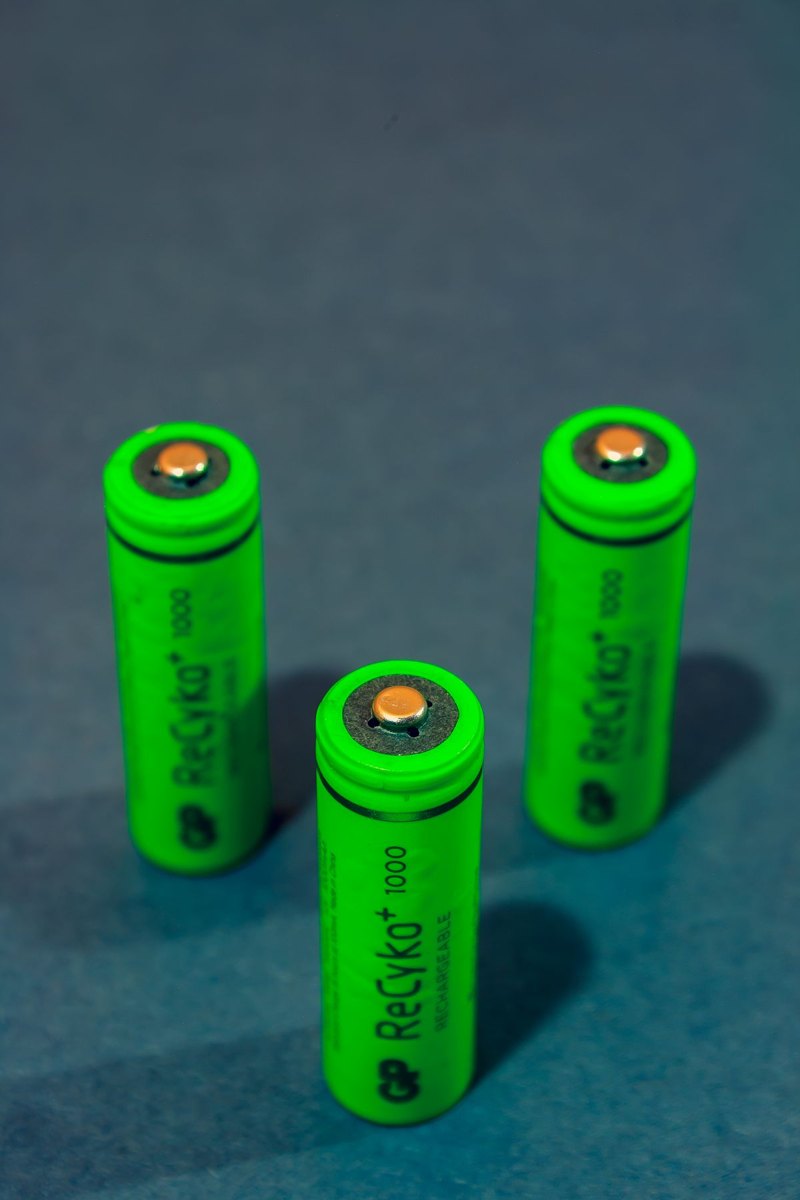
A flashlight used every evening is a different battery problem from one left untouched in an emergency drawer. Frequent use gives rechargeable cells a natural cycle: use, charge, and return. If you repeatedly buy disposable batteries for a compatible light, it is worth comparing that cycle with a rechargeable setup.
Start with the light's instructions. AA and AAA describe a size, not permission to use every chemistry sold in that shape. Check which types the manufacturer allows. Energizer's NiMH handbook describes these cells as suited to many frequently used devices, but compatibility still belongs to the individual device.
Buy a system you can keep together
Consider the charger alongside the cells. It must be designed for that battery chemistry and size. A charger intended for one type is not a universal battery charger, even when another cell fits its slot. Avoid charging any disposable battery or improvising connections.
Think about how many cells the light takes. If it uses three, a reserve organized in pairs will be irritating. Keep a complete matched set for the device, and mark sets in a way that does not cover vents or damage wrappers. A simple storage case is easier to manage than loose cells mixed with other household batteries.
Assign a place for charged sets and another for used sets. Do not rely on remembering which direction a battery happened to face in a drawer. Someone else should be able to tell which set is ready without testing every cell. Follow the battery and charger instructions about mixing cells and replacement; a fresh cell beside a worn one is not a reliable shortcut.
Check light output in normal use
Put the approved cells in the light and use it for its usual job. Notice its low-battery indication and whether the brightness feels adequate at the settings you need. Battery types can behave differently, so an indicator designed around one discharge pattern may not tell the whole story with another approved type.
Keep that observation separate from a runtime guarantee. Cold conditions, brightness choices, and battery condition can all change the result. You do not need to drain the lamp completely to decide whether the routine is workable.
Keep charging separate from emergency power
Rechargeable batteries do not replenish themselves during an outage. A charged spare set gives you flexibility; a pile of empty cells and a wall charger does not. If you plan to run a charger from a power bank or station, check that exact combination in advance and include its energy use in the plan.
For a light rarely used, follow the manufacturer's storage recommendations and inspect it periodically. Do not assume the same schedule suits both a bedside reserve and a work light used daily. The benefit of rechargeables comes from a maintained system, not merely from replacing one kind of battery with another.
When a cell becomes damaged or no longer performs normally, use an appropriate recycling route and keep it out of the ready supply. Buying a modest number of compatible cells, using them regularly, and recognizing the end of their service life is more manageable than stocking a large assortment you cannot identify.