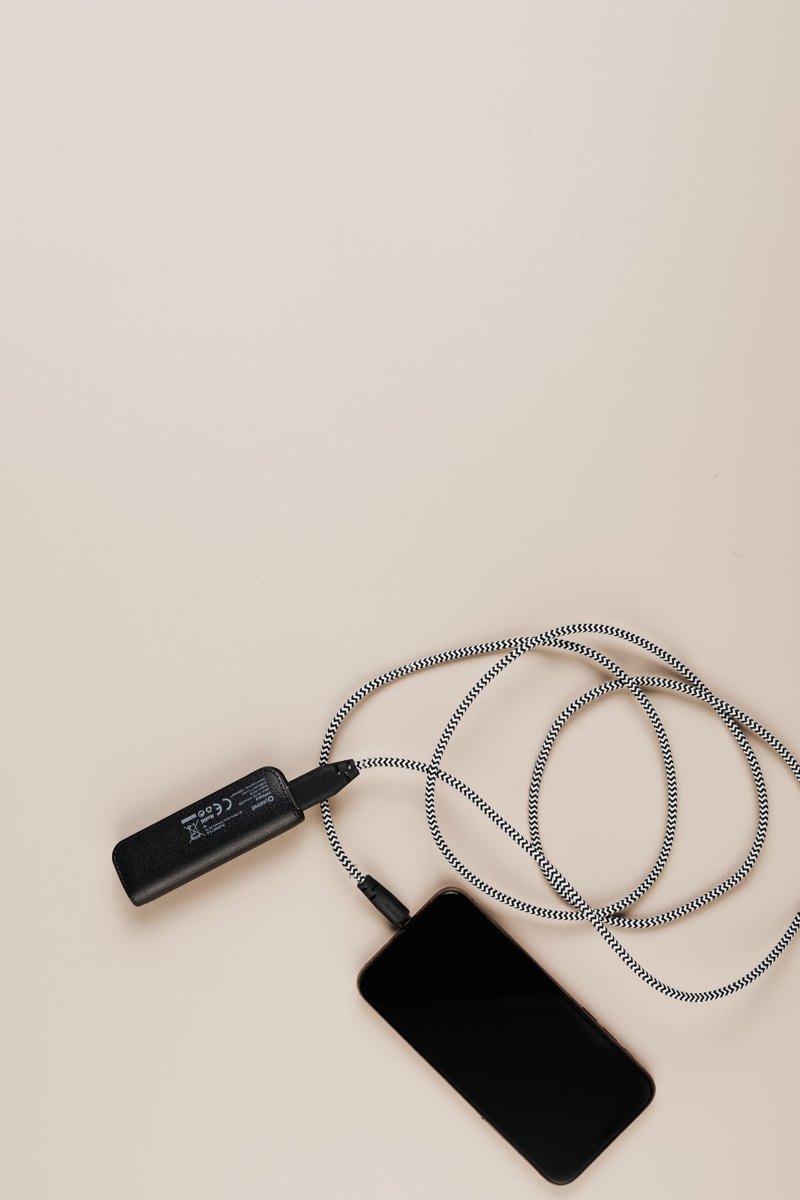
A household charging station is often just a pile of cables around a power strip. That pile works while the room lights are on and mains power is available. An outage changes both conditions. The useful version of a charging station is a place where someone can identify a charged backup, connect their phone, and leave the walking route clear.
Choose a dry, stable surface with room around the equipment. Keep it away from bedding, drapes, splashes, and items that will be piled on top later. Battery packs and chargers should be used within their instructions, not shut inside a decorative box while operating. Include a small independent light so the first person arriving can see the ports.
Match each cable before labeling it
Start with the devices that actually need charging. Connect each phone or other essential device to the intended power bank using its planned cable. Confirm that charging begins and continues. Then give that cable a plain label such as “phone USB-C” or the owner's name. A label should describe the tested job, not make an unverified promise about charging speed.
Keep spare cables separately from broken or unknown ones. A short cable may keep the surface tidy, but it should not leave a phone hanging from its socket. Check that the device can lie securely while attached. Store adapters in a small compartment where they cannot roll behind furniture.
Some power banks have separate input and output ports; others use a shared port. Put a note beside a confusing model rather than expecting everyone to remember. Anker's safety instructions also emphasize using recommended charging equipment and not using a swollen or leaking battery. A damaged pack belongs out of service, not in the emergency reserve.
Make available power visible
Have a consistent location for a ready power bank and a different place for one awaiting recharge. This need not become a complicated tracking system. A card turned to “ready” after a supervised check may be enough. The indicator on the battery itself remains the immediate check; the card is a reminder rather than a measurement.
If several people share the station, agree which device gets connected first when capacity is limited. Someone waiting for an essential call may have a stronger need than an entertainment tablet. Charge one device at a time during your initial trial, then check the manufacturer's instructions before relying on simultaneous outputs.
Keep the station small enough to maintain
Avoid collecting every old charger in the house here. One reliable setup with known cables is easier to use than a drawer of possibilities. Keep product model numbers or manuals available offline so you can check port ratings without internet access.
After a trip or a long day away, return the borrowed battery to its usual location. Recharge it according to its instructions and inspect the cable before marking it ready again. The station succeeds when another household member can use it without a demonstration, even if you are not home.