Counting drinking glasses alone understates how a household uses water. Food preparation, toothbrushing, handwashing, and caring for pets also draw from a safe supply. A reserve lasts more predictably when those uses are considered before the tap stops.
Start with CDC's emergency storage baseline of at least a gallon per person per day for three days, then assess additional needs. That is not a personalized ceiling. Hot conditions, individual health needs, and the household's circumstances may require more. Ask a clinician about any specific medical requirement rather than adapting a general estimate yourself.
Look at a normal day in small tasks
Write down the tasks that need safe water from waking to bedtime. Include taking medicines as directed, preparing drinks, cleaning food-contact items, and pets' bowls. If an infant is part of the household, use the feeding plan and emergency guidance appropriate to that child; do not dilute formula to save water.
Now look at the stored food. Dry rice, pasta, and dehydrated meals need preparation water and usually heat. A ready-to-eat alternative may reduce both demands. This is one reason to choose meals as well as ingredients when building a reserve. A cupboard full of food can still depend heavily on a working kitchen.
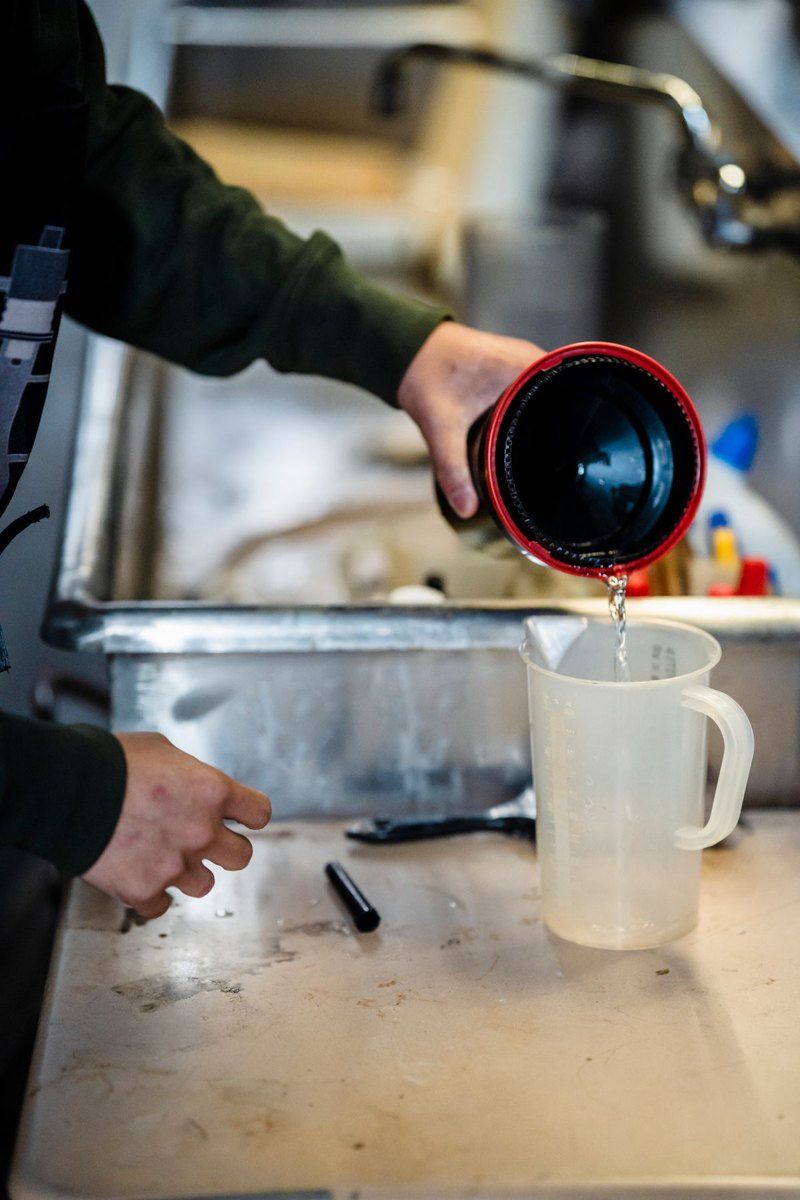
Try measuring the water used for an ordinary preparation task when services are normal. The exercise is not about restricting essential washing or drinking; it helps expose forgotten uses. Record a rough amount for planning rather than treating one measurement as a permanent quota.
Separate quality requirements carefully
Some tasks may be able to use water that is not suitable for drinking, but that depends on the actual contamination and official instructions. A water outage, a boil-water advisory, and a do-not-use advisory are different situations. Do not assume water from an unknown source is acceptable for washing simply because nobody intends to drink it.
Keep any non-drinking supply separate and clearly labeled. Do not store it in a way that makes an accidental swap easy. Avoid improvised plumbing connections or using stored water to operate equipment without checking that equipment's instructions.
Reduce avoidable demand
Choose a few meals with minimal preparation and washing. Keep appropriate disposable items if they fit your plan, along with a way to collect waste. Use a controlled pour or suitable spigot for handwashing rather than tipping a large open container, while still allowing enough water for effective washing.
Make room for replenishment and for leaving home if the disruption lasts. Find the utility's official information channels and local distribution arrangements when announced. Do not spend the reserve as though an uncertain delivery time were guaranteed.
Revisit the calculation when the household changes. A visiting relative, a new pet, or a different diet can change the amount and the way water is used. The aim is a supply that supports recognizable daily needs, not a shelf that merely looks well stocked.