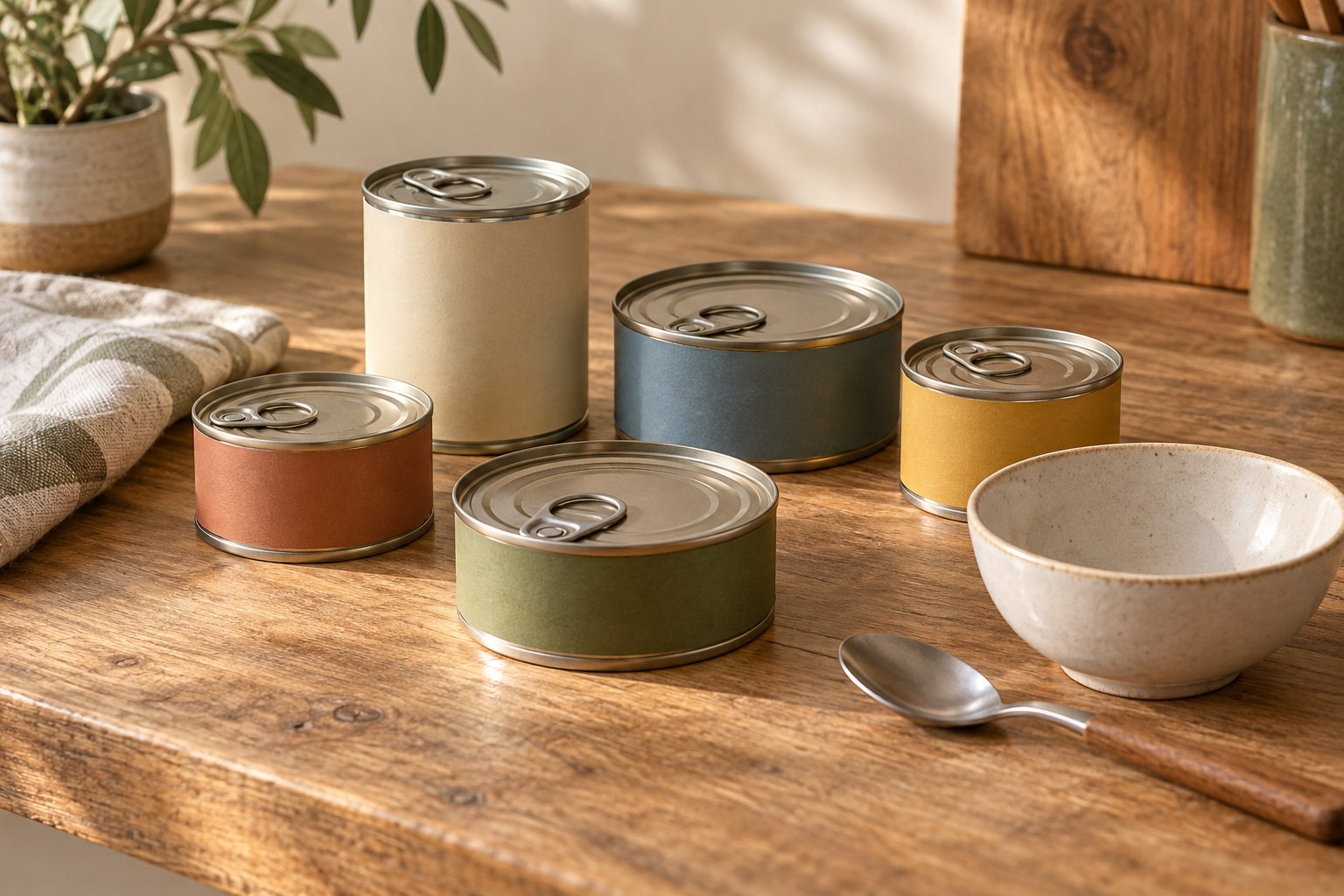
A large carton of shelf-stable milk can be convenient until it is opened during a power outage. The label may then require refrigeration, just like the chilled product it replaces. The same change can apply to canned foods, sauces, and many other pantry items. Unopened shelf stability is not an instruction for leftovers.
When choosing food for a no-refrigeration plan, read the directions after opening. Compare the package contents with what the household will finish at a meal. Smaller packages may cost more per ounce but leave less food needing cold storage you do not have.
Count people and appetites realistically
Package serving sizes are a starting point, not a prediction of what people will eat. Try the planned meal during an ordinary day and observe what remains. A child refusing half a meal or a household member being away can change the amount left over.
Keep a few flexible portions rather than making every meal depend on opening a large container. For example, separate ready-to-eat items can be added if someone is still hungry. Choose foods suitable for the household's dietary needs and the storage conditions shown on the label.
Do not save a perishable remainder at room temperature because throwing it away feels wasteful. If no verified safe cold storage is available, the better prevention happens at purchase and portion selection. USDA's emergency guidance provides item-specific decisions when food has been exposed to unsafe temperatures; appearance or a taste test cannot establish safety.
Make smaller portions easier to use
Store the matching utensils and opener where they can be found. Some small pouches are easy to open; others require scissors or have sharp edges. Try the packaging before relying on it, particularly for anyone with limited hand strength.
Keep original labels with multipacks. Separating portions should not separate them from their ingredients, dates, or storage directions. Arrange the next-to-use packages at the front so the reserve rotates through normal meals.
If refrigeration remains available through a cooler or approved backup arrangement, follow safe temperature guidance and label opened food as usual. That is a different plan from assuming a cold-looking corner of the kitchen will do. Package size is one tool for avoiding leftovers, not a substitute for temperature control when leftovers are kept.