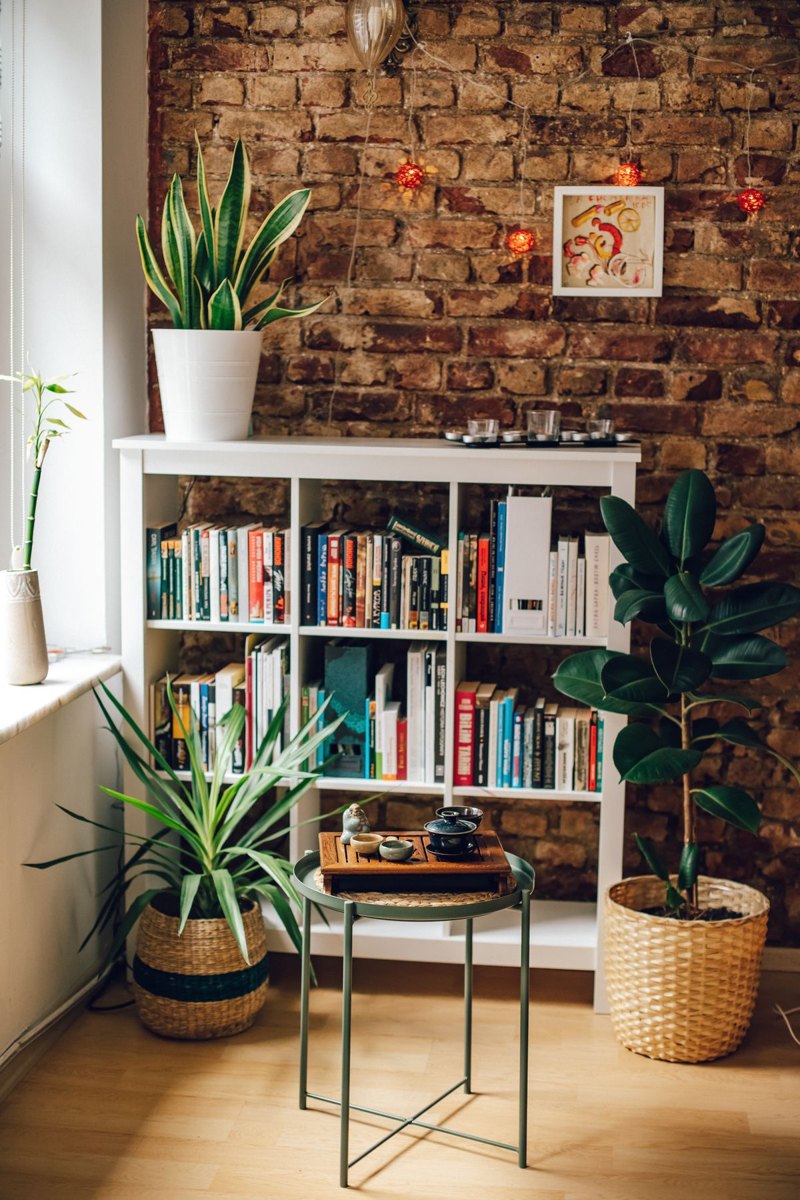
A tall cabinet can appear stable in daily use and still move or topple during strong shaking. Heavy furniture is not automatically secure, and placing a few heavy books on the bottom shelf does not replace anchoring. Start by identifying furniture that could fall onto beds, seats or exit routes.
USGS describes how earthquake shaking can move large objects and topple bookcases and televisions. CPSC’s Anchor It campaign also addresses furniture tip-over risks in ordinary homes. These are good reasons to assess the furniture before an earthquake warning or a child’s climbing attempt makes the weakness apparent.
Match the connection to the furniture and wall
Use the manufacturer’s recommended anti-tip system or suitable anchoring hardware for the item. Installation needs to account for the wall construction and the furniture attachment point. A strap screwed into a weak back panel or an unsuitable wall fixing may not do the intended job.
If you are unsure about the structure, hidden services or hardware, ask a qualified installer. Do not drill blindly into a wall. Renters should discuss installation with the landlord and document the agreed method rather than assuming anchoring is impossible or making an unsafe improvised attachment.
Look beyond the bookcase
Televisions, tall dressers and freestanding storage can need attention too. Follow their specific mounting or anchoring instructions. Keep heavier loose items low where appropriate, and avoid placing objects above a bed that could fall onto someone.
Consider what would block a door if it shifted. Moving a cabinet away from an exit can reduce that problem, but a better location does not remove the need for suitable anchoring. Review the room as a whole instead of treating each piece as an isolated purchase.
Recheck after moving things
Anchors may be disconnected during painting, cleaning or rearranging and never reattached. Add reconnection to the task before the furniture goes back into use. Inspect for obvious looseness or damage according to the hardware instructions; do not pull aggressively on furniture to conduct an improvised strength test.
Keep installation information with the household equipment notes. During actual shaking, follow earthquake protective-action guidance rather than trying to hold furniture upright. This work is preparation intended to reduce falling hazards before the event, not a job to undertake while objects are already moving.