A message about unsafe tap water can arrive as a short phone alert, a social-media post, or a neighbor's warning. Find the original notice from the water utility or local authority before deciding what it means for your household. Different advisories call for different actions, and boiling is not the answer to every water problem.
First check whether your address is within the affected area and when the notice was issued. Save or print the current instructions if internet access is unreliable. Keep track of updates from the same official source; a screenshot passed around a neighborhood may be an earlier version.
Identify the type of advisory
CDC distinguishes boil-water, do-not-drink, and do-not-use notices. A boil-water advisory usually concerns germs and tells you how water must be prepared for particular uses. A do-not-drink notice may involve chemicals or toxins. A do-not-use notice can prohibit contact as well as consumption. Do not reduce all three to “put the kettle on.”
Follow the local notice's directions for each use. If the wording is unclear, contact the issuing authority or use an appropriate known safe supply while seeking clarification. Do not assume water is safe because its color and smell seem normal.
Apply the instructions to the whole kitchen
Think beyond a glass from the tap. Toothbrushing, ice, food preparation, pet drinking water, and appliances connected to the water line may all be affected. CDC advises against using water or ice from connected refrigerator dispensers during an advisory. A household pitcher filter does not automatically replace the required treatment.
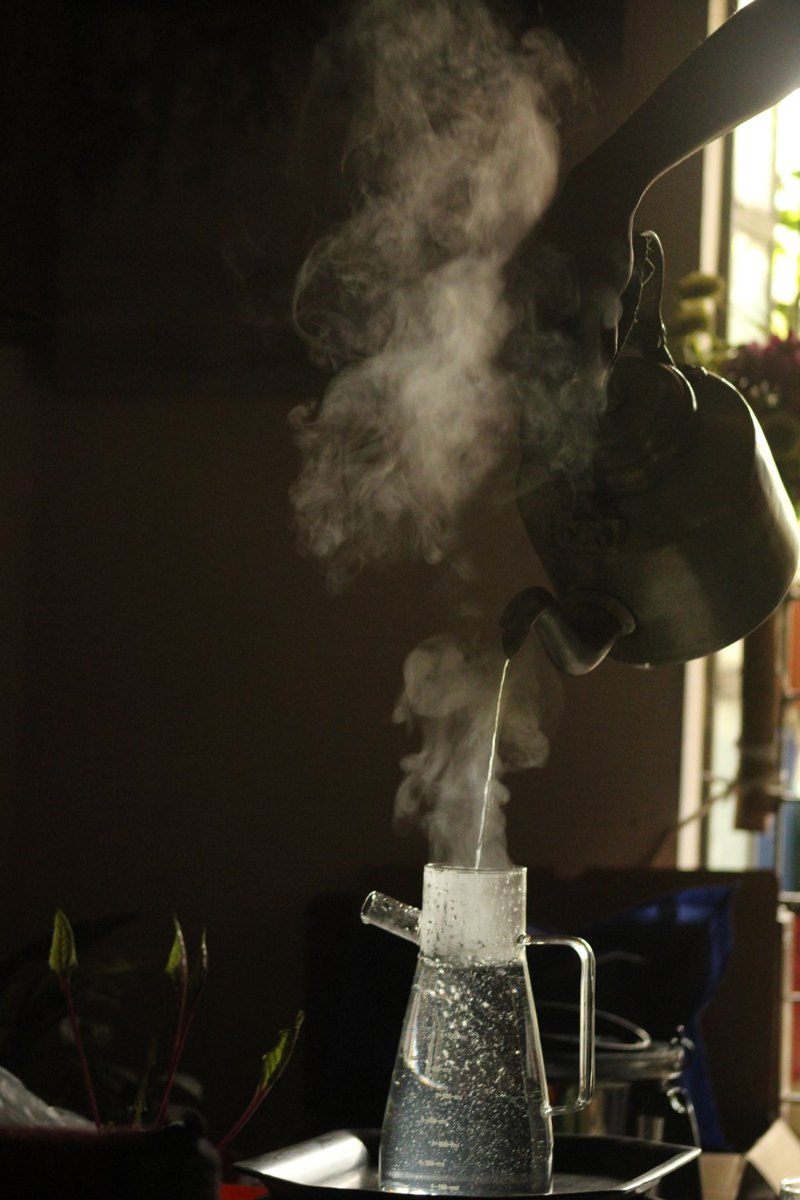
If boiling is instructed, use the specified procedure and let water cool safely before handling or drinking it. Keep hot containers away from children and do not carry a heavy pot farther than necessary. When normal cooking equipment is unavailable, use a safe bottled supply rather than bringing an outdoor stove inside to comply with the notice.
For infants, people with medical needs, or anyone whose care involves water, check the specific guidance and contact the relevant professional if necessary. Do not improvise a diluted formula or change a medical procedure to stretch the supply.
Check washing and cleaning separately
The notice may allow some uses while restricting others. Handwashing, showering, dishwashing, and laundry should not be treated as one category. Read the instructions for each task rather than applying a remembered rule from a previous event.
If several people share the home, put a brief note beside affected taps and tell everyone what supply to use. Include visitors and anyone who helps with childcare or pets. A note saying only “bad water” leaves too much room for interpretation; refer to the current official instructions and the location of safe water.
Wait for the official all-clear
Do not decide the advisory has ended because pressure returns or a neighbor resumes normal use. Check the authority's notice lifting it and any instructions for flushing plumbing, cleaning appliances, replacing filters, or discarding ice. These steps can differ by event and equipment.
Afterward, replenish the safe water used and keep the utility's contact channel in the household plan. Record which tasks were awkward so the next reserve includes the right containers, labels, or ready-to-use supplies. The lesson is not a single boiling rule to memorize; it is knowing how to find and apply the instructions for the actual problem.