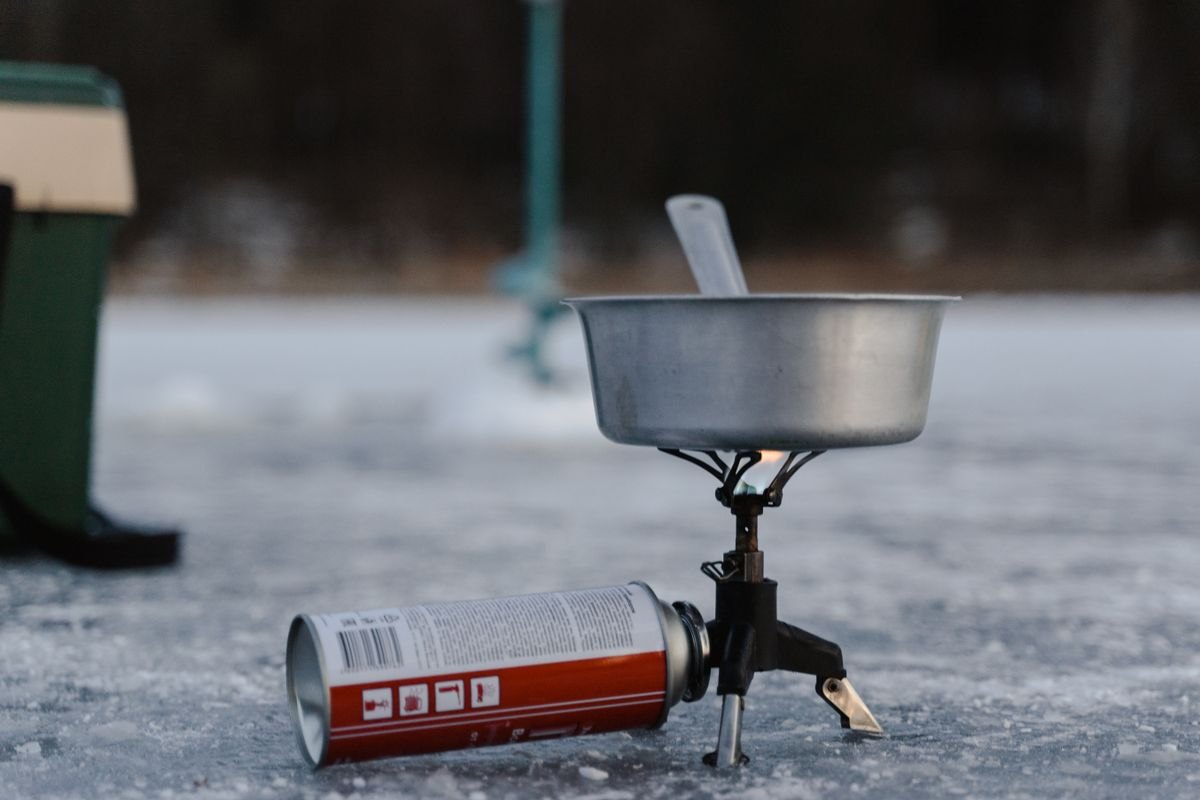
Choosing an emergency stove can make fuel look like one more pantry item. It is better treated as a separate decision. The right fuel depends on the exact appliance, and its storage and handling requirements differ from those of food and water.
Start with the stove's manual. Record the fuel types and containers the manufacturer permits. Similar-looking canisters are not necessarily interchangeable, and a connector that can be forced into place is not proof of compatibility. Avoid adapters or refilling arrangements the manufacturer does not approve.
Resolve storage before purchase
Check the fuel label, appliance instructions, local fire guidance, and any building or lease restrictions. An apartment may not offer an allowed storage or operating location. Do not buy a large supply first and assume a closet or balcony will be acceptable afterward.
Keep fuel out of the food reserve and away from ignition sources according to its instructions. Do not decant fuel into a drink bottle or an unapproved container. Preserve labels so someone else can identify the contents and restrictions without guessing.
Consider who will move and use it. A container that is cumbersome, unfamiliar, or stored behind heavy equipment may not be practical for the household. Limit the plan to what can be managed within the rules and instructions, rather than maximizing the amount stored.
Do not let fuel create an indoor cooking plan
EPA warns against using unvented outdoor cooking appliances, including camp stoves and grills, indoors. An open window does not turn a kitchen into an outdoor operating location. If weather prevents safe outdoor use, the household needs a no-cook option rather than a move inside.
Keep a few meals that do not require fuel. This separates the immediate need to eat from the decision to set up an unfamiliar appliance during poor conditions. It also reduces the pressure to improvise when a canister is empty or unavailable.
Put inspections and replacement on the same planning calendar as the stove, while following product-specific guidance. If a container is damaged or you suspect a leak, stop using it and follow the manufacturer's emergency instructions; do not test a suspected leak with a flame. For disposal, use the appropriate local route rather than assuming every empty-looking container belongs in ordinary recycling.