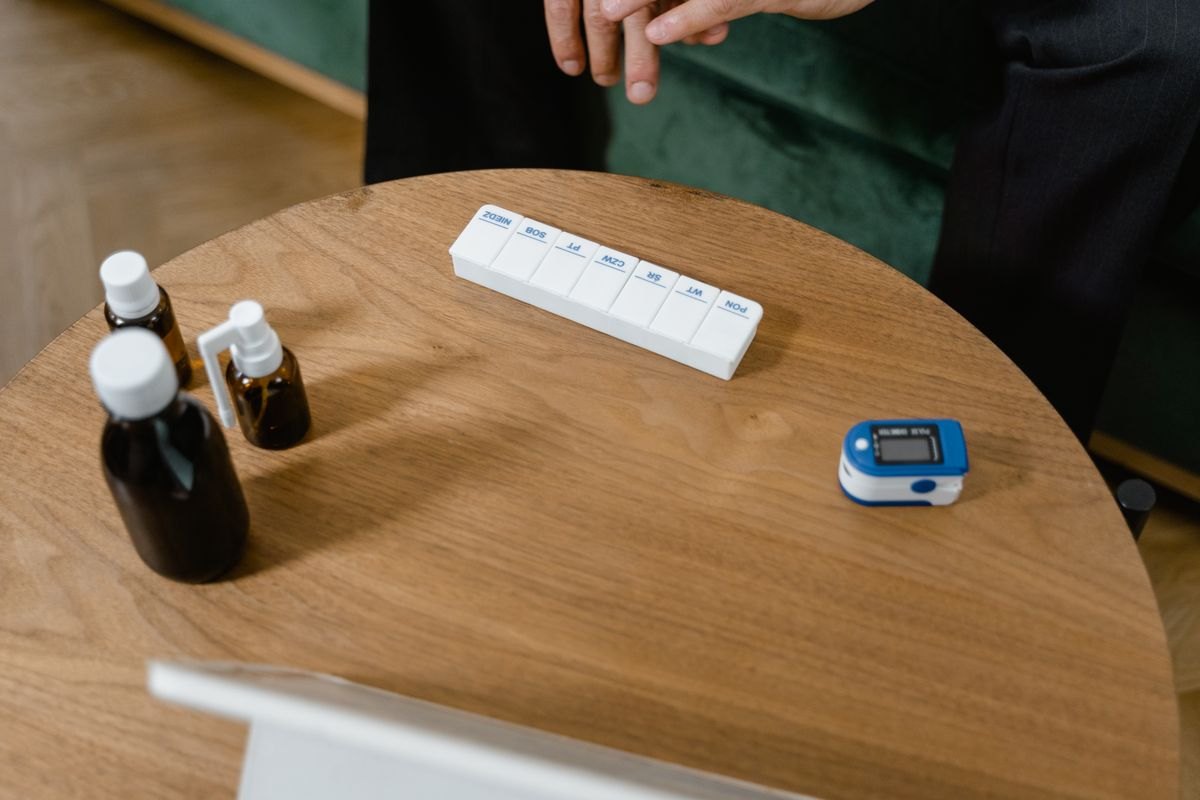
Medication planning begins with the person who prescribes or dispenses the medicine, not with a generic emergency-shopping list. Refill rules, storage requirements and the consequences of a missed dose differ. A useful preparation session gathers those differences into a plan you can follow when normal services are interrupted.
Bring an up-to-date list to the pharmacist. Include prescription medicines, relevant nonprescription products and the supplies needed to use them. Confirm the names, strengths and current instructions against the labels. Keep the list in a protected place that you and an appropriate caregiver can access.
Ask about refills before supplies are low
Explain the disruption you are planning for, such as several days away from home or a storm that could close roads. Ask how early refills work, what an emergency supply may involve and which restrictions apply to your medicines. Do not assume every product can be stockpiled or transferred between pharmacies in the same way.
Record the pharmacy’s contact details and how to get help when it is closed. Ask what information another pharmacy would need. If the plan depends on an online account, make sure you have a workable access method away from your usual phone or computer.
Write down the storage limits
For medicines with temperature requirements, ask for instructions that apply to the exact product and formulation. Clarify how to transport it, whether it must be protected from freezing, and what to do if you cannot confirm the temperature history. Do not substitute a rule for another medicine with a similar name.
FDA advises checking labeled instructions or consulting a pharmacist, healthcare provider or manufacturer when storage conditions have been outside recommendations. Appearance alone may not reveal whether a medicine remains suitable. A cooler can be part of a plan, but direct contact with ice may be inappropriate for a particular product.
Keep identification with the medicine
Use containers that preserve the label and protect against the expected conditions. If you use an organizer, ask how to retain identification and manage moisture or child-access concerns. Store medicines securely; packing an emergency bag should not make them accessible to children or pets.
Keep a short note of items that cannot remain permanently in the bag, including refrigerated products or devices used daily. Decide where they normally live and how they would be collected if there is time. Never delay escape from immediate danger to retrieve them.
The plan should also say whom to contact if a dose is missed or supplies run out. Do not ration, double doses, share prescriptions or switch products on your own. Get individualized advice promptly, and use emergency services if there is an immediate medical emergency.