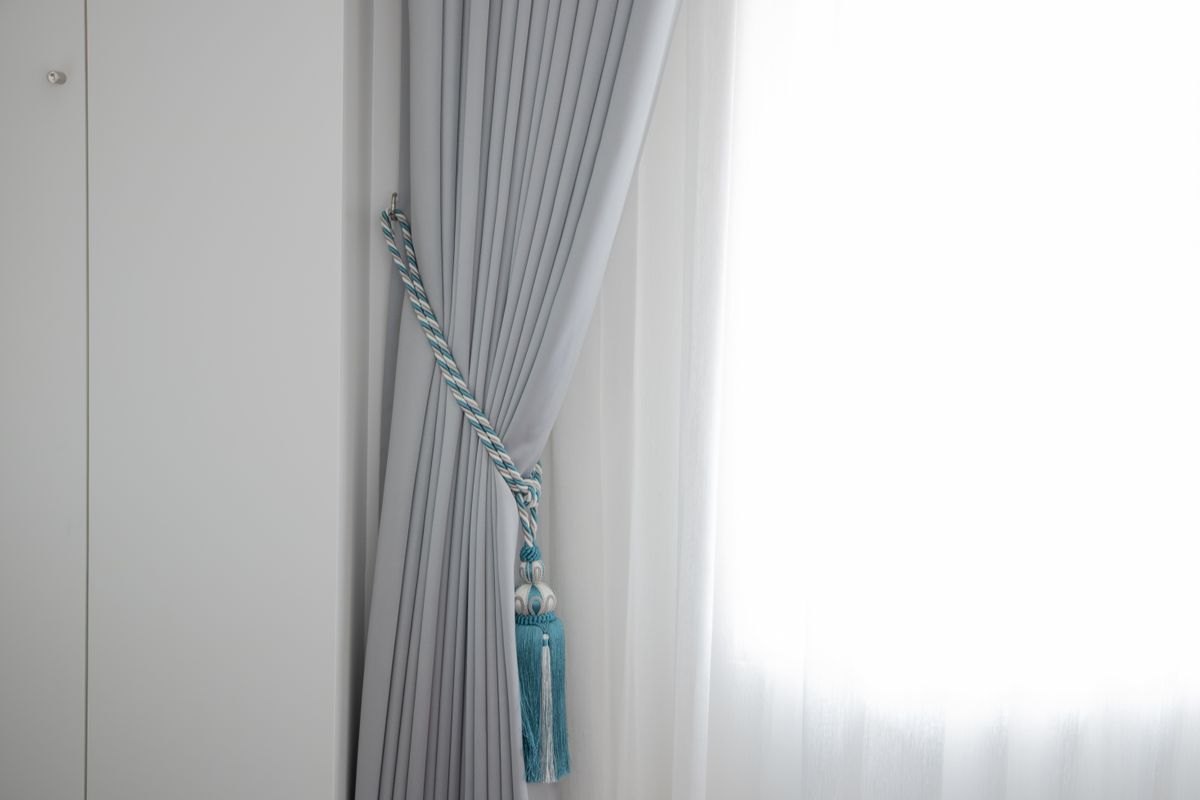
A room that is comfortable in the morning may be the hottest part of the home by late afternoon. Before a forecast hot spell, notice where sunlight falls and which rooms retain heat. That observation helps you decide where to spend time and when to close existing shades.
Close curtains or blinds against direct sun before the room heats up, while maintaining a safe exit route. Consider whether a room away from the afternoon sun is more usable. These are ways to reduce heat gain, not a guarantee that the indoor temperature will remain safe.
Do not mistake a fan for air conditioning
A fan moves air; it does not refrigerate the room. In dangerously hot conditions it may not prevent heat illness. Follow current public-health guidance and the needs of the people in the home rather than relying on the feeling of moving air alone.
Use air conditioning where available and arrange access to an air-conditioned place if the home cannot stay cool enough. Check official cooling-center information, or confirm another suitable destination. Include the journey, opening hours and accessibility in that plan, particularly if someone cannot travel independently.
Plan around the whole day
Move heat-producing chores away from the hottest period where possible. Choose meals that do not require prolonged oven use. Keep drinking water accessible and follow individualized clinical advice if fluid intake is restricted. Check in with people who may have difficulty recognizing or responding to heat.
Ventilation decisions depend on conditions outside. Opening a window can help only when the outdoor air is suitable; wildfire smoke, poor air quality or greater heat may make it the wrong choice. Follow local advice and avoid treating “open all the windows” as a universal rule.
Decide when the room plan is no longer enough
Keep track of indoor conditions and how people are feeling. Do not wait for a room to become unbearable before confirming the cooler destination. If someone has signs of a medical emergency, seek emergency help rather than continuing to adjust curtains and fans.
After the hot spell, note the times when particular rooms became uncomfortable and which measures helped. This gives you a starting point for future improvements, whether that is better shading, servicing existing cooling equipment or arranging transport earlier. The useful outcome is a workable cooling plan for the people in the home.