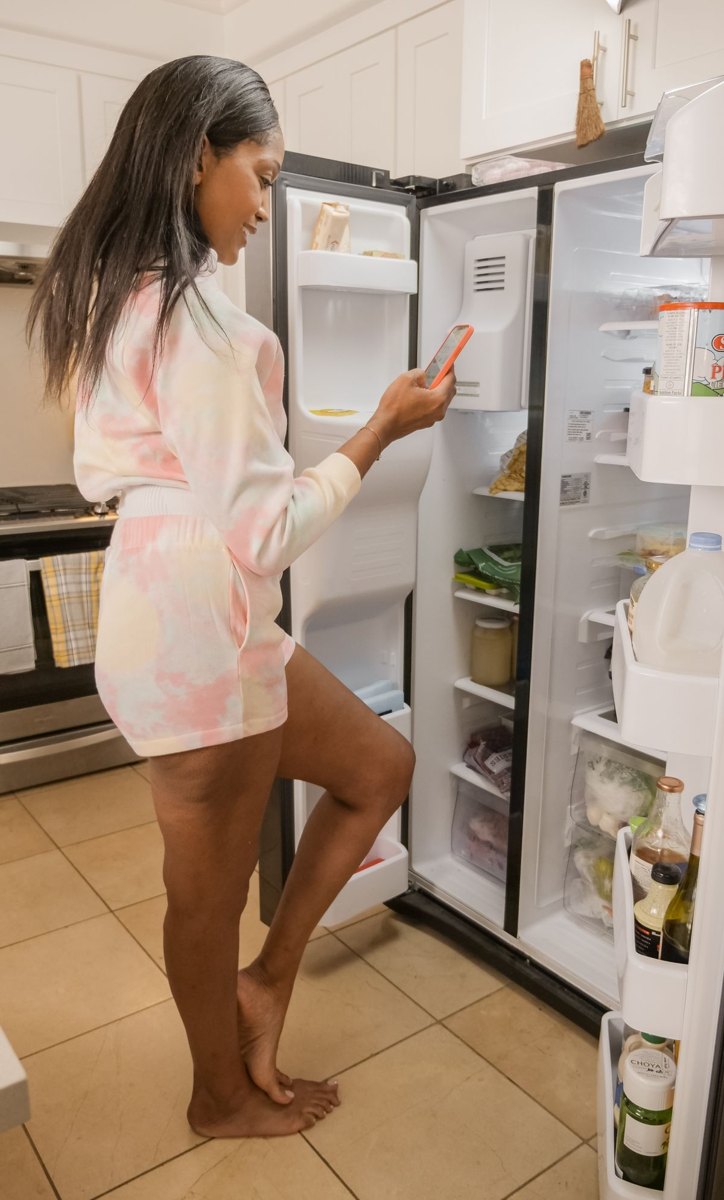
After a long outage, deciding which food to discard can be both unpleasant and expensive. A short record helps you explain what happened, replace essentials, and provide documentation if an insurer or assistance program asks for it. Make the record without tasting questionable food or keeping it longer just to preserve evidence.
Use USDA's emergency food guidance to make the safety decision. Temperature and time matter; smell and appearance cannot establish that food is safe. If the relevant history is unknown, do not invent a reassuring number to make the decision easier.
Capture the facts you actually know
Write down the known outage start and end times, or the period during which you believe it occurred. Clearly distinguish a recorded time from an estimate. Add any thermometer readings and when they were taken. A reading after the appliance has cooled again does not prove it remained cold throughout the interruption.
List discarded items in ordinary terms: product, approximate amount, and, if useful, estimated replacement cost. A photograph of labels or the affected shelf may help while you are already assessing it. Do not repeatedly open a still-cold appliance solely to create a more elaborate record.
Keep receipts or purchase records that are readily available, but avoid spending hours reconstructing the value of every small item. Check any claim instructions from the relevant provider rather than assuming a photograph guarantees reimbursement. Coverage and documentation requirements vary.
Dispose without spreading the problem
Contain discarded food so it will not be eaten by children, pets, or someone who mistakes it for usable food. Follow local waste instructions and any public-health guidance relevant to the event. If flooding or another hazard is involved, the disposal and cleanup needs may differ from an ordinary power failure.
Do not donate questionable food or give it to animals. A loss record can remain on paper after the unsafe material is gone. Clean affected surfaces and containers using appropriate guidance and allow reusable equipment to dry before returning it to service.
Replace the useful food first
Use the list to rebuild meals, not to recreate every previous purchase immediately. Prioritize current dietary needs and foods the household uses. If a large opened package created avoidable waste, consider smaller packages for the emergency shelf while keeping normal kitchen habits in mind.
Note one or two changes for next time: a readable appliance thermometer, a clearer outage-time record, or a cooler arrangement that was missing. Keep the record with household documents if it may be needed later. It should support a safe decision and a manageable recovery, not become a reason to hold on to food whose safety cannot be established.