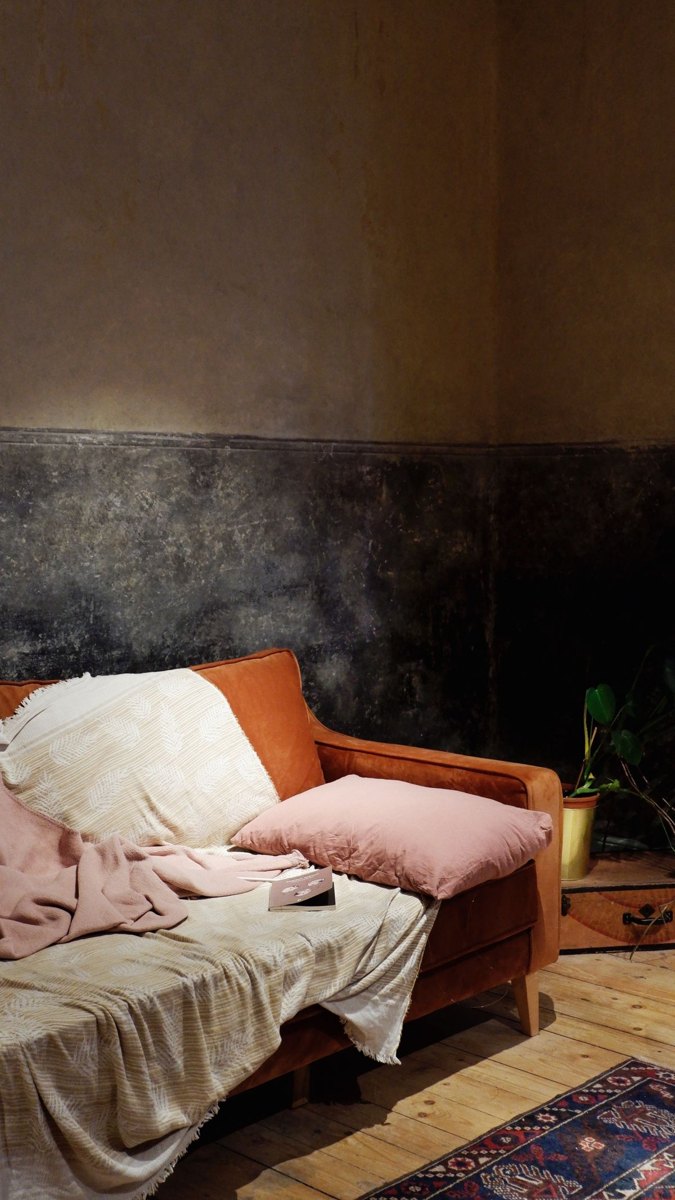
A winter outage is easier to plan for when you separate staying warm for a while from keeping a house habitable through a prolonged loss of heat. Blankets and clothing can help with the first task. They do not make every cold home safe indefinitely.
Choose an indoor gathering space that fits the household and keeps exits accessible. Have dry layers, suitable bedding and battery-powered lighting available. Consider anyone whose health, age or mobility makes cold conditions harder to tolerate, and agree on an earlier move to a heated location where needed.
Do not improvise indoor combustion
Never bring a charcoal grill, camping stove or outdoor fuel-burning appliance inside to warm the room. Do not use a gas oven as a room heater. A partly open window does not make an unsuitable appliance safe indoors.
Portable generators belong outdoors, at least 20 feet from the home, with exhaust directed away from openings, following CPSC and manufacturer guidance. They must not run in a garage, even with the door open. Working carbon monoxide alarms are essential, but they do not turn an unsafe setup into a safe one.
Plan the warmer destination early
Identify a friend’s home or an officially announced warming location you could reach. Check transport, opening hours, accessibility and pet arrangements. Do not wait until someone is becoming unwell or roads are worsening to begin that conversation.
Keep relevant contact numbers on paper and monitor official conditions. A nearby location may lose power too, so confirm availability when possible. If authorities advise staying off the roads, seek local guidance about safe assistance rather than assuming a familiar drive remains easy.
Use the house thoughtfully
Close curtains and reduce unnecessary drafts where this can be done without obstructing ventilation required by safely operating equipment. Keep routes to exits clear. Avoid running long extension cords through bedding or traffic areas if an approved power source is available.
Follow local utility or professional guidance about protecting plumbing during a prolonged loss of heat. Do not use open flames to thaw pipes or attempt electrical work in wet conditions. The household plan should say who to call and where to go, not depend on learning risky repairs during the outage.
Afterward, record which room and supplies were useful and what prompted the decision to leave. That evidence is more helpful for the next winter than buying an unapproved heater in response to a frustrating evening.