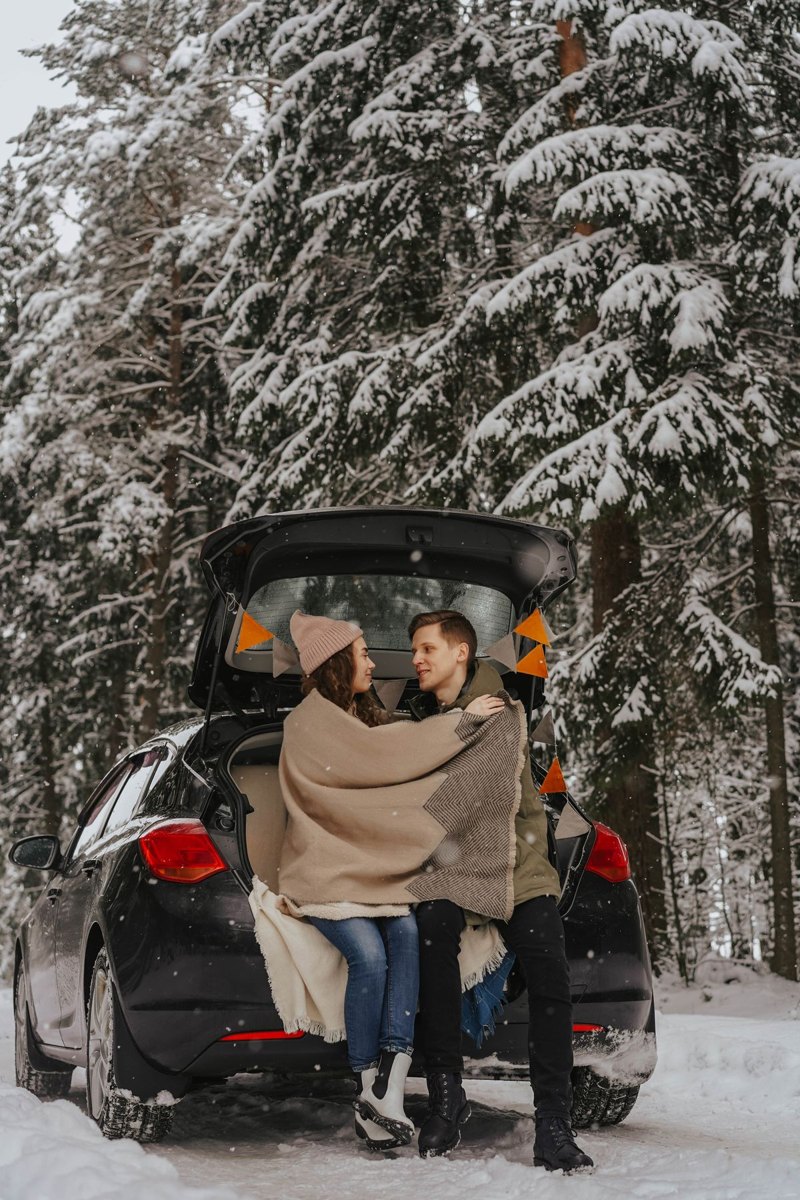
A winter driving bag is useful during a delay, but the first preparation is deciding whether to travel. Check the forecast, road conditions and any restrictions along the route. If authorities advise staying off the roads, extra blankets are not a reason to keep the original schedule.
Pack for the people in the car, not just the driver. A child's spare clothing, gloves for someone who normally wears thin office shoes and a familiar snack can matter during an extended stop. Keep individual medical needs in a separate plan made with the relevant professional.
Put warmth where it can be reached
Blankets and extra layers should be dry and accessible without emptying the entire cargo area. Protect them from wet boots, leaking containers and snow carried in on equipment. Choose clothing that passengers can actually wear over what they have on, rather than packing a collection of sizes left over from years ago.
Carry a working flashlight and compatible phone charging equipment. Keep water and food suited to the trip, checking packaging and storage limitations. Add vehicle-specific winter equipment such as an appropriate scraper, and make sure the driver understands any traction equipment before departure.
Secure the bag and other loose objects. Do not put a heavy kit where it can interfere with pedals, exits, restraints or airbags. If some supplies live in the car all season, distinguish them from items that need to be added for each journey because of temperature or personal requirements.
Plan for a stop without improvising heat
NHTSA advises staying with a stranded vehicle in winter conditions and making it visible, while avoiding unnecessary exposure. Keep the exhaust clear of snow and follow official guidance about engine use and ventilation; carbon monoxide can be dangerous. Never bring an outdoor fuel-burning heater or stove into the passenger compartment.
Share the route and expected arrival with someone who is not traveling, including how you will update them if delayed. Save roadside-assistance details where they can be read without opening an account in an app. If there is an immediate danger or medical emergency, call emergency services.
After the journey, dry any damp clothing and replace used supplies. Review the bag when passengers or routes change. A bag packed for a short local drive may not suit a long trip through remote winter conditions, and the difference should be addressed before the engine starts.