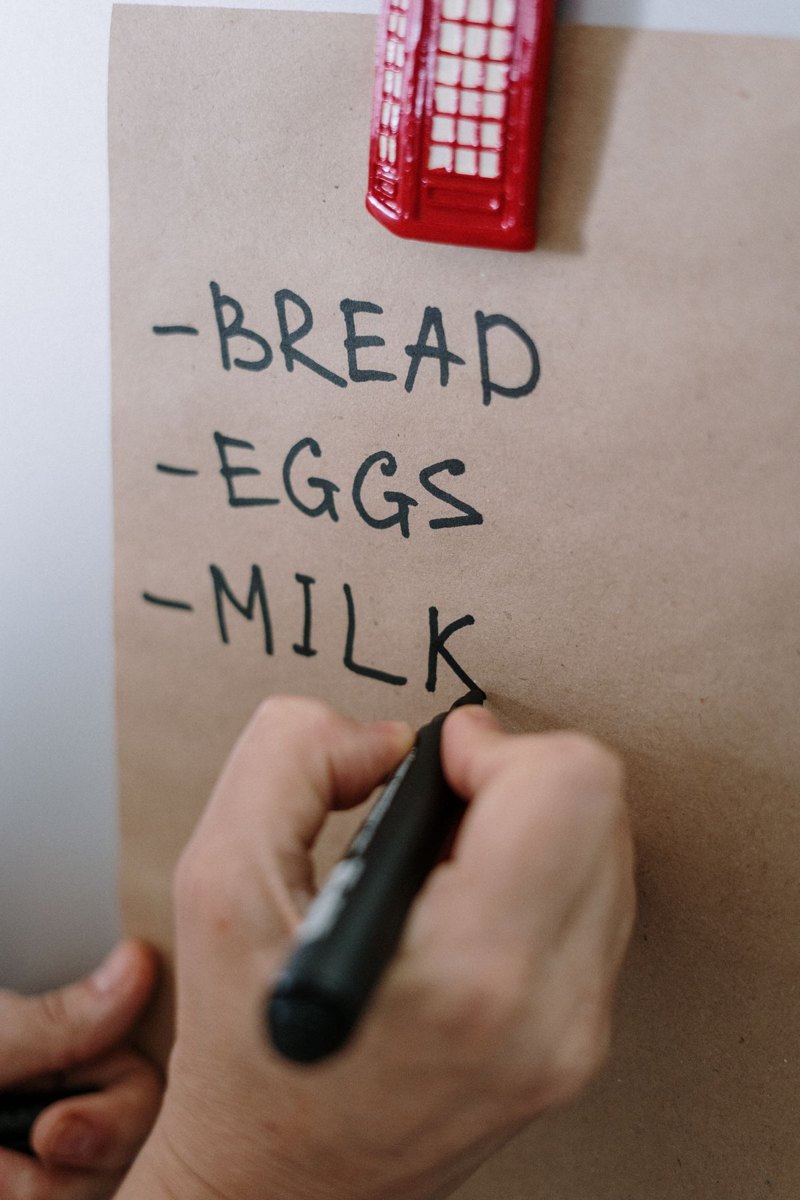
An inventory that lives only on a kitchen shelf is easy to forget at the store. A useful version tells you what to buy, in what size, and why. Start with a quick look at the actual food rather than building a catalog of every item you have ever purchased.
Choose the meals your reserve is meant to provide. For each one, check the components and the preparation requirements. You may have plenty of crackers but no suitable ready-to-eat accompaniment, or several cans with no working manual opener. These gaps matter more than the total number of packages.
Write an action beside each gap
Use entries such as “two small cans, ready to eat” or “replace the used drinking water” rather than a vague category like “supplies.” Include a specific brand or ingredient requirement when an allergy or other dietary need makes it necessary. Otherwise, leave room to choose a suitable alternative after reading the label.
Record package size when it affects refrigeration after opening. The larger sale item may not fit a no-refrigeration meal plan. Add any tool needed to open the packaging and any water required to prepare it, so those dependencies are visible before checkout.
Keep the list on paper or available offline on a phone. If several people shop, agree where changes are recorded. Two separate lists can produce duplicate purchases while the real gap remains.
Notice what should not be bought again
Mark food the household repeatedly avoids, packaging that is hard to open, or products that do not fit the storage space. An inventory should help improve the next purchase, not merely reproduce the previous one.
Check storage conditions and package damage during the same pass. USDA's shelf-stable guidance makes clear that good storage and sound packaging matter; a count of damaged or poorly stored food overstates the usable reserve.
After shopping, put newer suitable items behind those you intend to use sooner and remove completed entries from the list. Keep a simple replacement note for anything taken into normal meals. A short, current shopping list is easier to use than an elaborate inventory that nobody trusts enough to act on.