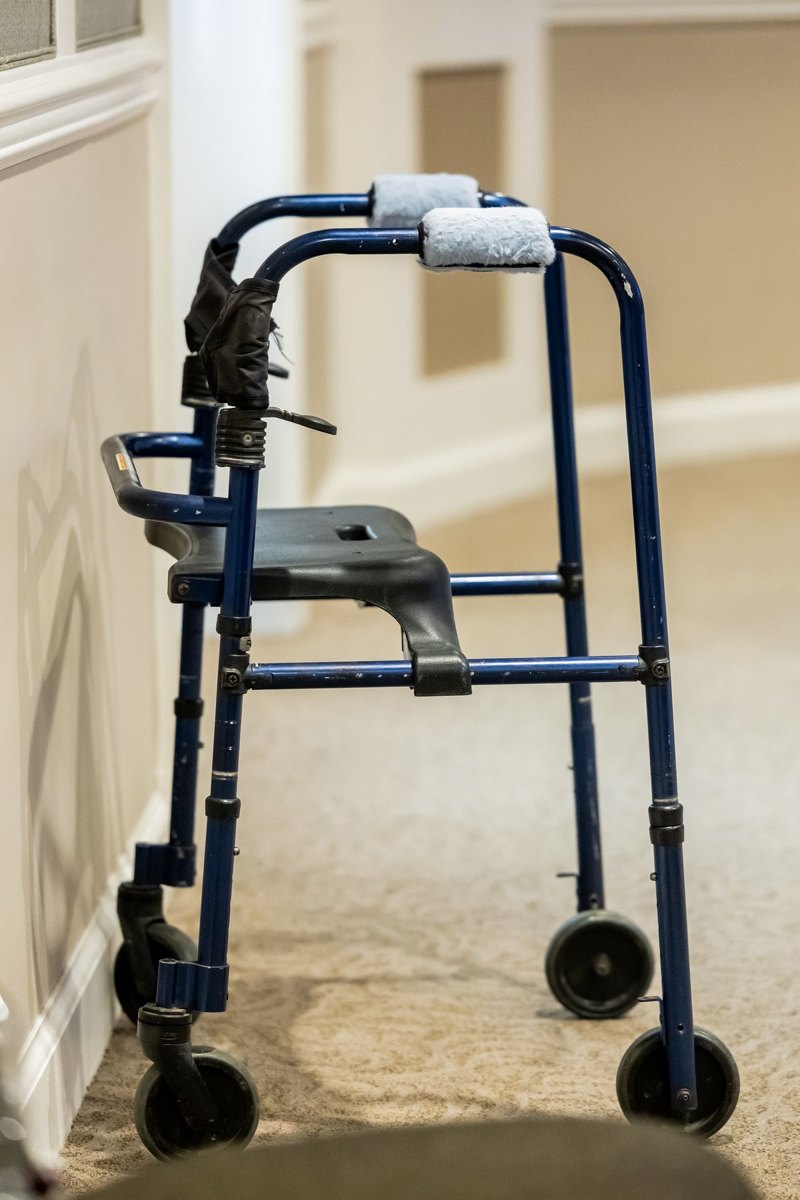
“Someone will help” is not a complete mobility plan. It leaves the person, route, equipment and timing undecided. Start by asking the household member what assistance they want and how their usual routines work. Their experience should guide the planning conversation.
Walk through the day together: getting out of bed, moving between rooms, using the bathroom, leaving the building and traveling elsewhere. A disruption may affect any of these steps. The useful question is what changes if electricity, an elevator, a caregiver or the normal vehicle is unavailable.
Identify the difficult transitions
Measure relevant doorways and consider thresholds, steps and surfaces along the exit route. Check the actual device and person together where safe; an empty wheelchair fitting through a doorway does not establish that every transfer is workable. Do not attempt unfamiliar lifting or carrying techniques. Ask appropriate professionals about safe assistance and equipment.
For apartments or shared buildings, discuss the building’s emergency arrangements with management and local responders. A plan that assumes elevator availability needs a specific alternative. Clarify what assistance is arranged and what is merely requested, especially when there could be many people needing help at once.
Make support dependable without assuming it is guaranteed
Ask more than one willing person to be part of the support network where possible. Share the information each person needs, with consent: how to communicate, where essential equipment is kept and whom to contact. Keep private medical details limited to those who need them.
Check local emergency transport and registration services. Understand eligibility, booking requirements and what a registry does. Registration does not guarantee immediate assistance during a widespread event, so it should complement rather than replace the personal plan.
Check the destination as carefully as the departure
An accessible entrance is only one part of a usable overnight location. Ask about bathrooms, sleeping arrangements, charging, refrigeration if needed, service animals and space for equipment. Keep device dimensions or other relevant transport information available for the people arranging a ride.
Plan continuity of supplies and care with the relevant providers. A change in location may affect deliveries, treatments or the availability of a familiar caregiver. Have contact details for those services on paper as well as electronically.
Practice selected parts of the plan at a comfortable pace with permission and appropriate help. Avoid turning a practice into an exhausting full evacuation. Record obstacles and assign concrete follow-up tasks, such as arranging a threshold assessment or confirming transport. Revisit the plan when abilities, equipment or support arrangements change.