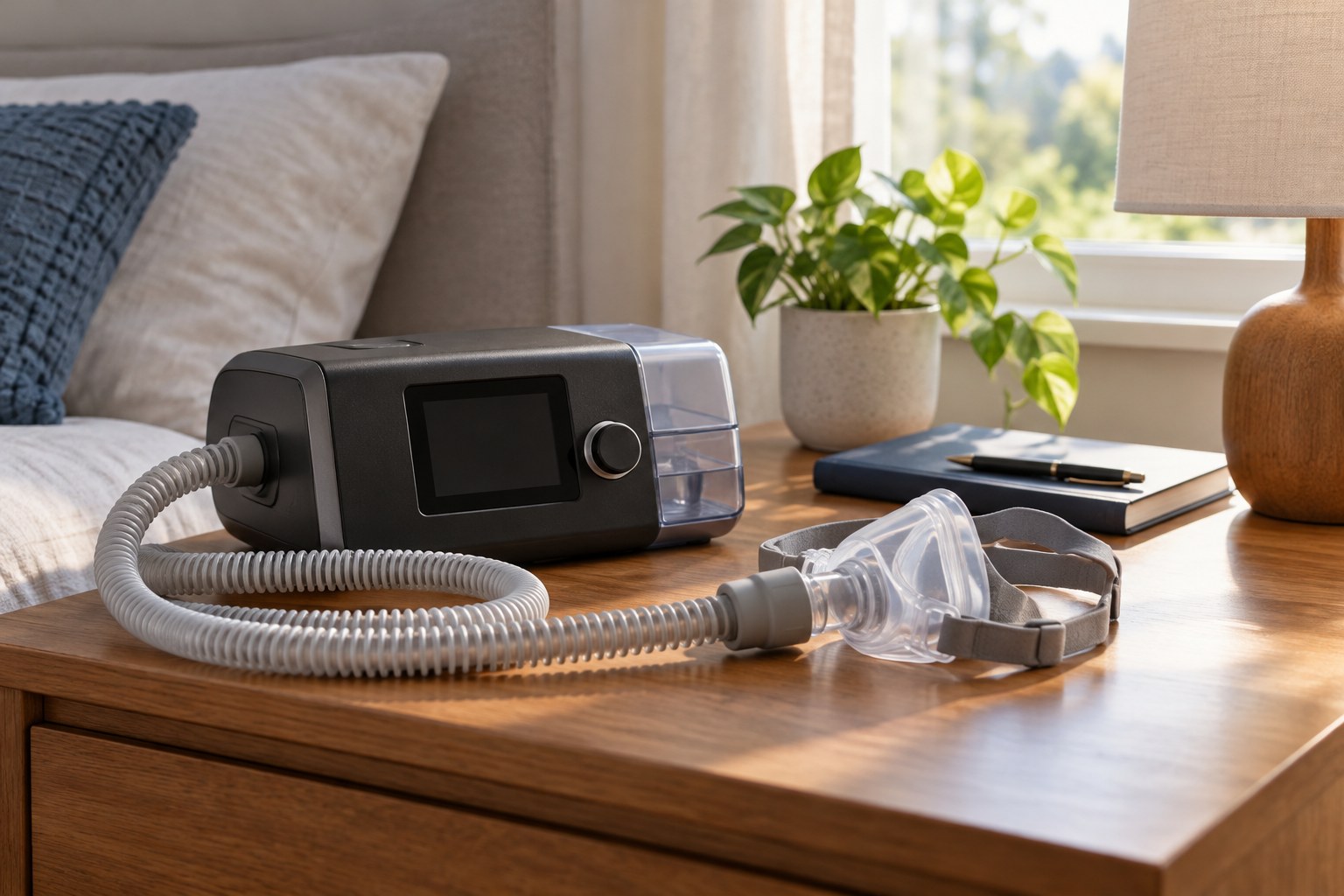
A power bank’s capacity tells you little about whether it can safely support a particular medical device. The relevant plan starts with the device manufacturer and the healthcare team. It needs to cover compatibility, operating time, supplies and what to do if backup power is unavailable.
Gather the exact model number, user manual, supplier contact and normal settings information provided by the care team. If more than one powered device is involved, list them separately. Accessories such as humidifiers or chargers can change the equipment’s requirements, and a plan for one device does not automatically cover another.
Ask questions that produce usable answers
Ask whether the device has an internal battery, what external power sources are approved and how you can check the remaining runtime. Clarify any restrictions on adapters, inverters or generators. Do not experiment with a substitute power source simply because the connector fits.
Discuss how long the approved backup is expected to work under the actual prescribed configuration. Identify which conditions can reduce that time, and ask how to test readiness without interrupting necessary treatment. Any trial should follow the manufacturer’s and care team’s instructions. This is not an appropriate place for an improvised outage drill.
Make the next step explicit
Backup power buys a limited period; it does not answer where to go afterward. Agree on when to contact the provider, seek a powered location or use emergency services. If failure of a life-sustaining device creates immediate danger, seek emergency help rather than spending that time troubleshooting an unfamiliar battery.
Contact the utility about any relevant medical-needs program and learn what it actually provides. Registration or notification does not guarantee continuous electricity or priority restoration in every event. Arrange transport and an appropriate destination independently, with the accessibility and care requirements included.
Prepare the supporting items
Keep required consumables, approved cables and instructions together. Protect equipment from moisture and contamination according to its manual. A device that has been wet or damaged may need assessment even after power returns; do not plug it in simply to see whether it still works.
FDA also advises checking device settings after an interruption because some equipment can return to default settings. Ask the care team which settings you may verify and what should only be changed by a professional. Keep this distinction on the written plan.
Give a copy of the plan to the people who may assist, with the device user’s agreement. Review it when equipment, prescriptions, suppliers or caregivers change. A specific, current plan is more valuable than a large battery purchased without confirming whether it belongs in the system.