Two clear containers can look identical even when one holds drinking water and the other was filled for a cleaning task. A label preserves information that appearance cannot provide. Put it on when you fill or buy the container, not after you have forgotten its history.
For self-filled drinking-water containers, identify the contents and the filling date. CDC recommends marking the purpose and storage date and replacing self-stored water every six months. Keep the container's own instructions as well, including any limits on storage or cleaning.
Record only useful details
Use a readable date format with the month written out or an unambiguous year-month-day order. If several household members maintain the supply, avoid shorthand that only one person understands. “Filled October 21, 2026” is clearer than an unexplained sequence of numbers.
If the water came from a different safe source than usual, record that fact. Keep any relevant treatment or preparation record with the container, without turning a label into an improvised water-treatment recipe. Unknown water does not become safe because a label says “emergency.”
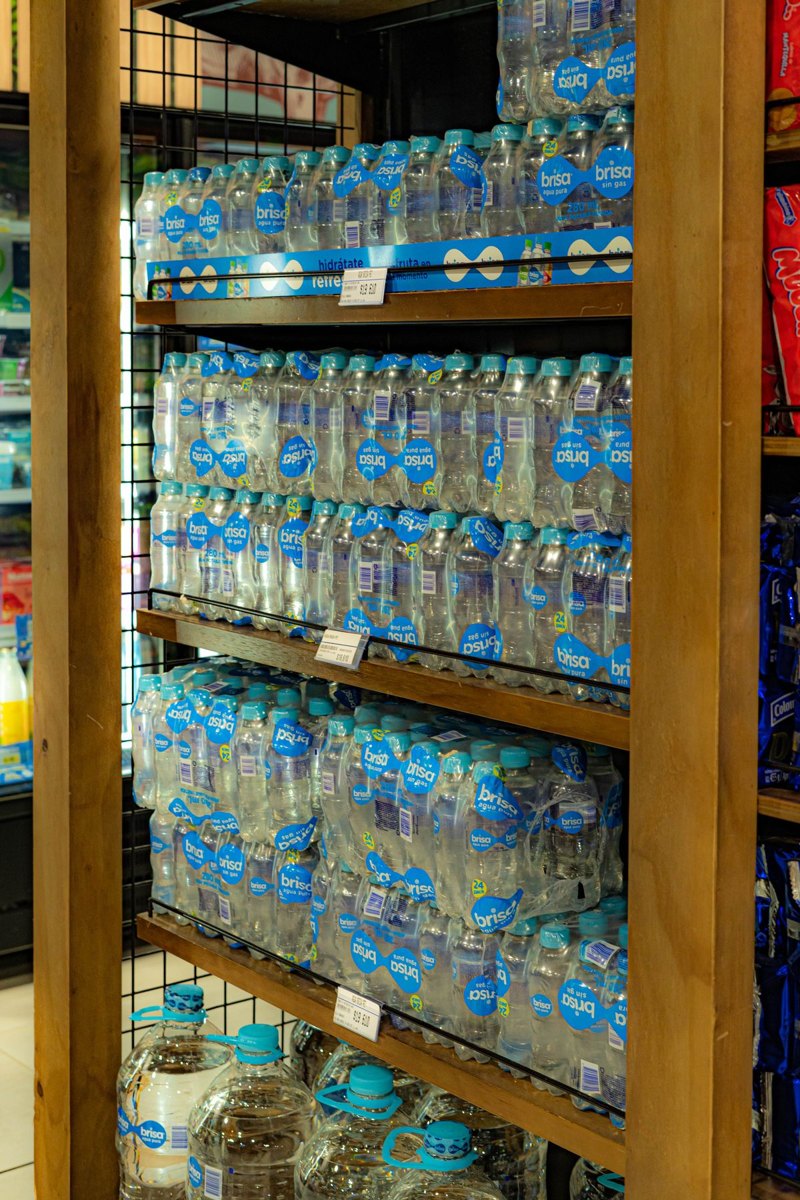
Commercially bottled water already has manufacturer information. Leave that visible and add a purchase or rotation note only if it helps you manage the shelf. Do not cover the original date or lot information with a decorative sticker.
Make the label survive the storage location
Choose a label or marker suitable for the container's surface, following the container's care guidance. Put the date where it can be seen without lifting a full jug. If containers sit side by side, face the useful information outward.
Keep non-drinking water clearly separate and unmistakably marked. Do not reuse a drinking-water label on a container whose contents or history have changed. If you cannot establish what is inside, do not guess based on clarity or lack of smell.
At rotation time, update both the physical label and any household reminder. Inspect the container and storage area while it is out: a small leak, damaged closure, or newly stored cleaning chemical may matter more than the date. A label is a memory aid within a safe storage routine, not a guarantee about the water itself.