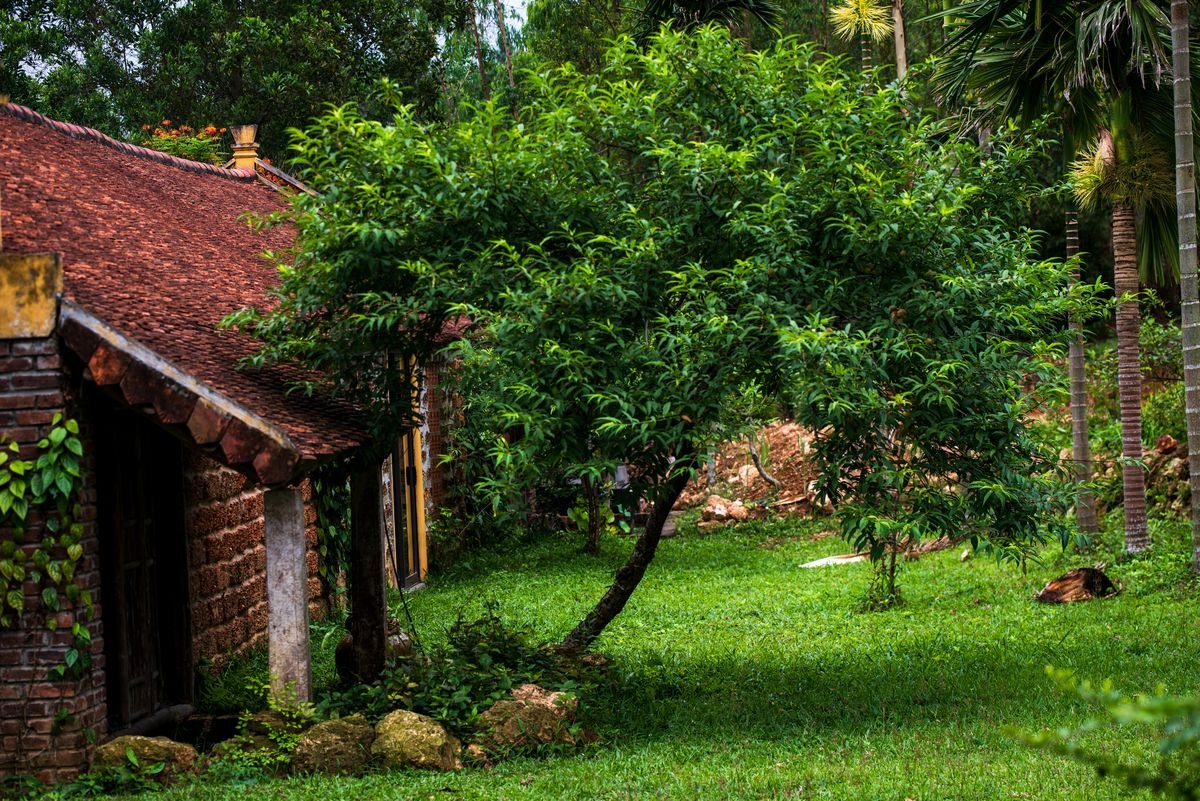
A branch hanging over a driveway may look like a straightforward cleanup job from the kitchen window. Its weight, tension and contact with other branches can be difficult to judge from that position. Storm damage is not a good setting in which to learn tree cutting by trial and error.
Look from a safe distance in calm conditions. Notice obvious broken or hanging limbs, a new lean, damage around the base or contact with a structure. These observations help you explain the concern to a qualified tree professional; they do not establish whether the tree is stable.
Keep electricity out of the DIY decision
If branches or a tree are near or touching power lines, stay clear and contact the utility. Treat downed lines as energized. Do not touch the tree, fence, equipment or water that may be in contact with a line, and do not assume a wire is harmless because it is quiet.
Utility work and ordinary pruning are different tasks. Ask who is responsible for the affected area rather than hiring someone to work close to lines without the appropriate qualifications. Keep people and pets away while waiting for instructions.
Respect wood under tension
CDC warns that bent or trapped storm-damaged branches can release force unexpectedly. A small-looking limb may still be hazardous. Do not pull at a hanging branch, climb a damaged tree or attempt overhead cutting from a ladder.
Call a qualified arborist or tree service for assessment where instability, height, nearby structures or equipment limitations are involved. Ask about credentials, insurance and the proposed work. A written scope helps distinguish an assessment from an agreement to remove a tree immediately.
Record the concern without approaching it
Photograph from a safe position if useful, showing the tree’s relationship to the house, road or line. Avoid standing beneath suspect limbs to get a better image. Note when the change was first observed and whether it followed a storm.
For trees on public or neighboring land, contact the responsible owner or authority. Do not trespass or cut first and settle responsibility later. Regular assessment and appropriate maintenance before storm season can reduce last-minute decisions, but no visual household check can guarantee that a tree will remain safe in every wind event.