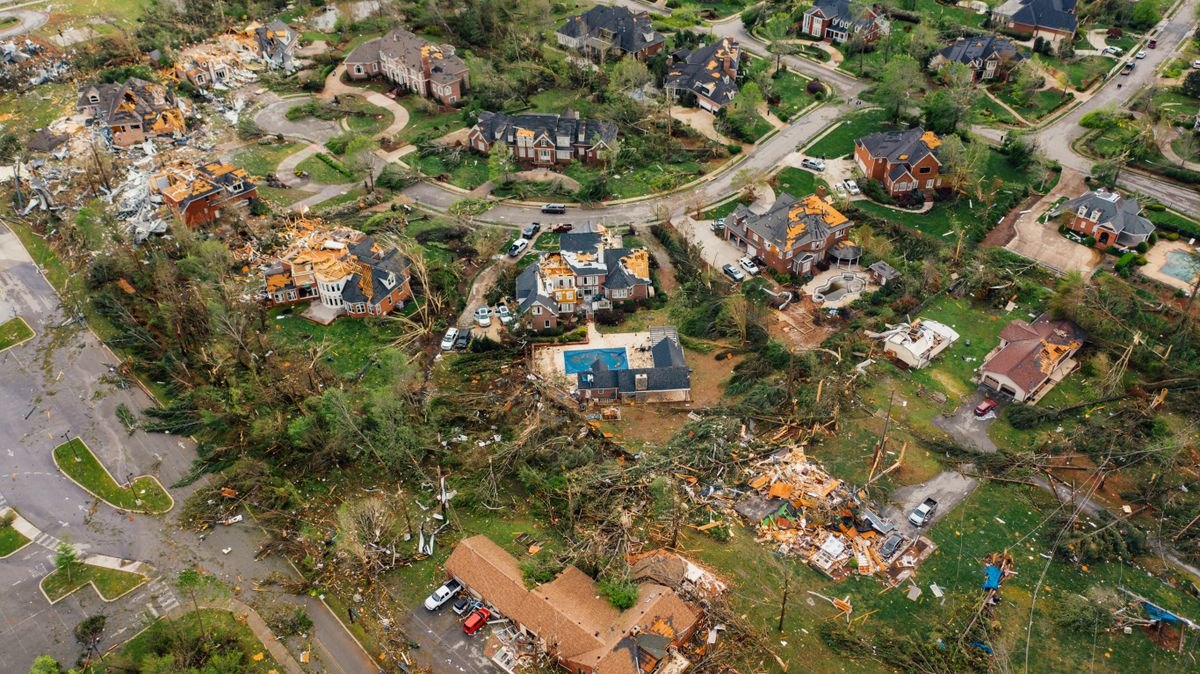
After a storm, the wish to document everything can compete with the need to stay out of damaged areas. Begin with the safety decision. Follow official restrictions and wait for qualified assessment where a building, tree, electrical system or floodwater may be hazardous.
When it is safe to take pictures, start with views that show where the damage is. A close-up of a broken panel is more useful when it can be connected to a wider image of the room or exterior. Keep originals rather than editing the only copy.
Record location and time
Use simple file groups or notes for each area. Identify the date and describe what is visible without guessing at the hidden cause. “Water stain on north bedroom ceiling” is more precise than declaring that a roof repair will cost a particular amount.
Photograph accessible labels or serial numbers for damaged items if this can be done safely. Do not move heavy equipment, approach unstable walls or climb onto a roof to obtain a better angle. Tell the insurer or relevant authority which areas were inaccessible and why.
Keep evidence and urgent work separate
Contact your insurer for the steps that apply to your policy. Document before cleanup when safe, but do not retain hazardous spoiled items solely for a photograph or delay work needed to protect people. Ask what samples, receipts and records are appropriate; requirements can vary.
Save receipts for approved or necessary emergency work and keep a note of the service provider, date and task. Avoid signing a broad repair agreement under pressure before understanding it. A photographic record is useful, but it does not by itself establish coverage or guarantee a claim outcome.
Store a second copy
Back up the images and notes securely, keeping them available away from the damaged home. Confirm the files can be opened and that important text is readable. If sharing photographs publicly, remove private documents, addresses or people from view where appropriate; the insurer may need details that a public post does not.
Use later photographs to record changes or completed work, leaving the original set intact. A clear sequence helps explain what was first observed and what happened afterward. The strongest record is organized and accurate, not the one made from the most dangerous vantage point.