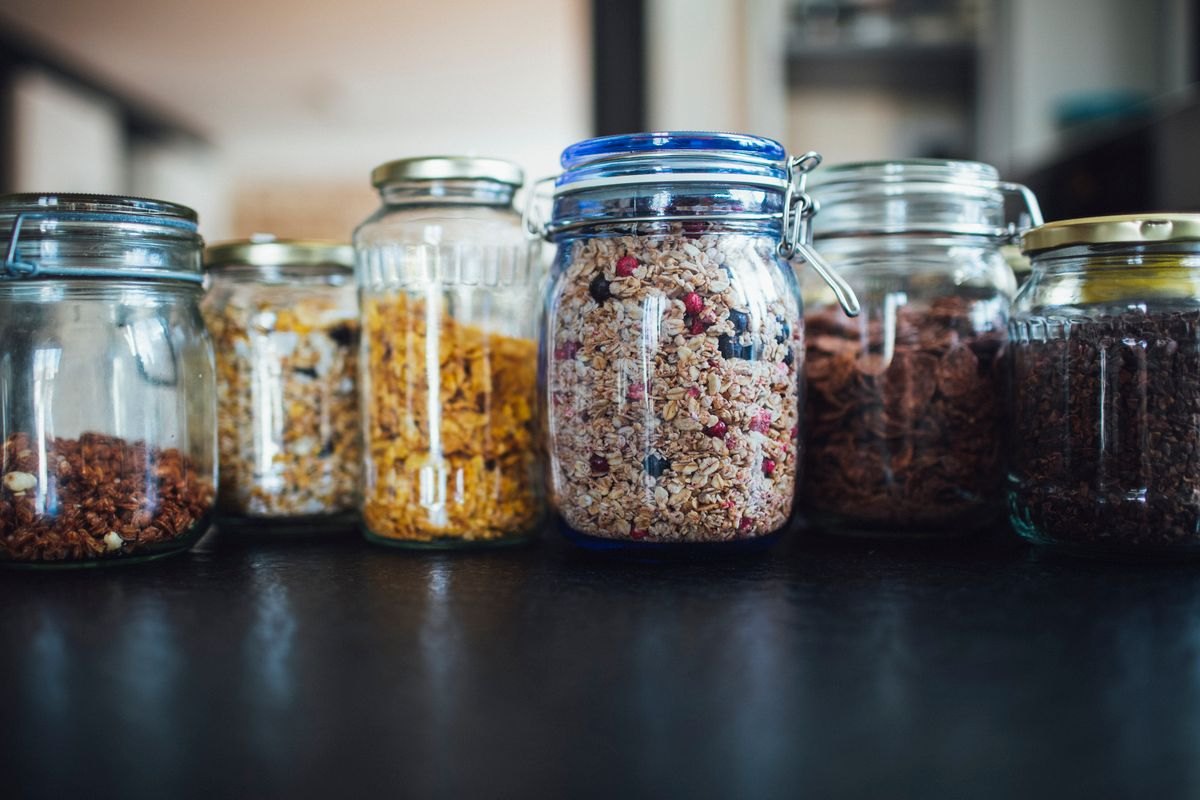
Food bought only because it has a long shelf life often becomes food nobody chooses. During a disruption, unfamiliar flavors and textures can be an extra obstacle, particularly for children or people with a restricted diet. Begin with shelf-stable versions of foods the household already eats.
Look at a recent week of meals and identify components that can be stored safely without refrigeration before opening. Read the packaging carefully. A familiar brand may sell both chilled and shelf-stable versions, and similar-looking products can require different preparation.
Make a small menu before a large purchase
Choose a few breakfast and meal combinations, then buy enough to try them. Eat them under ordinary conditions using the preparation method planned for an outage. If the food is intended to be eaten cold, try it cold rather than judging it after heating.
Ask simple questions afterward. Was the portion enough? Did everyone eat it? Was a missing condiment essential? Did opening the package require a tool? The answers help you improve the reserve without accumulating a case of something unsuitable.
Keep any dietary requirements separate from preferences. An allergy, prescribed diet, or feeding requirement cannot be solved by encouraging someone to try a substitute during an emergency. Check labels when buying replacements and obtain appropriate professional advice where a diet has medical requirements.
Buy in the package size you can use
A large container may be economical when refrigeration works but awkward when it does not. Follow the directions after opening and choose smaller portions where they prevent unsafe leftovers. Count usable meals rather than assuming the biggest package is always best value.
Include familiar drinks and safe water in the plan. Foods needing mixing or cooking bring additional requirements. A shelf of ingredients is different from a shelf of ready meals, even if both are useful in normal life.
Let the reserve move through the kitchen
Use older suitable items in everyday meals and replace them on the grocery list. USDA's shelf-storage guidance emphasizes appropriate conditions and attention to package damage; no date label makes damaged food a good reserve.
If an item repeatedly stays behind, change it. The reserve should reflect the household as it is now, not an idealized version that likes every food and never changes its diet. A modest selection eaten regularly is easier to keep current than a dramatic stockpile that must be discarded all at once.